Every family has heard the story: the villa photos looked dreamy, but on arrival the “fourth bedroom” turned out to be a sofa bed in a hallway, the pool had no fence, and the nearest restaurant was a 40-minute drive away. Booking a villa for a family holiday carries exactly this risk. Listings are written to sell, and it is surprisingly easy to miss the details that matter most when you travel with children.
The good news is that a few careful questions and checks will filter out most problem properties before you pay a deposit. This guide walks you through the decisions that count: matching the size and layout to your family, putting safety features first, choosing a location with a sensible transfer time, setting a realistic budget, checking the amenities that keep everyone happy, and vetting the listing before you commit. Work through each part and you will book with far more confidence.
Match the Villa Size and Layout to Your Family
The fastest way to ruin a family villa week is to run out of beds and bathrooms. Listings often advertise “sleeps 8”, but that figure can include two sofa beds in the living room, which nobody wants to sleep on for a week. Count the real sleeping capacity: proper beds in proper bedrooms. As a rule of thumb, a family of five or six should look for at least 3 bedrooms, so siblings are not sharing with parents for the entire stay.
Bathrooms matter just as much. If there is one bathroom for six people, mornings become a queue before you have even made breakfast. Look for en-suite bathrooms, or at minimum two full bathrooms, so parents and teenagers can get ready at the same time.
Layout for Little Legs
If you travel with toddlers, ask whether the villa is on a single level or has internal stairs. Multi-level villas can work well, but you will want stair gates installed or available, and bedrooms grouped close together rather than children sleeping on a separate floor. A layout where everyone gathers comfortably indoors also matters: on a rainy afternoon, a cramped kitchen and a small sofa turn into friction fast. Check the photos for a generous living area and a dining table that seats your whole family, and ask the owner directly if the listing is unclear.
Put Safety Features First When You Choose a Villa for a Family Holiday
A private pool is usually the highlight of a family villa, and it is also the biggest safety consideration. Before you pay anything, ask the owner or manager for the pool’s depth and what protection exists around it. A depth of 1.2-1.5 m suits most school-age children, while a shallow shelf or children’s section is better for toddlers. Ask specifically whether the pool has a fence, a rigid cover or an alarm, and whether it can be secured at night when supervision is impossible.
Pools in many destinations are unheated, which can turn a much-anticipated swim into a brief paddle. If swimming is central to your trip, request details on pool heating, including whether it is included or costs extra. Then walk the property virtually: ask for photos of balcony railings, terrace edges and staircases, and confirm they are secure and up to a standard you trust before the deposit leaves your account.
- Cots and high chairs: ask how many are provided free of charge and whether they meet current safety standards, so you are not strapping a car seat to a dining chair.
- Pool floats and toys: many family villas keep rings, noodles and balls on hand; confirming this saves packing bulky inflatables.
- Gate and alarm type: a pool alarm sounds after someone falls in, while a fence or locked cover prevents access altogether — know which one you are getting.
- Night-time routine: ask who locks or covers the pool each evening, especially if children wake early and the pool area is visible from bedrooms.
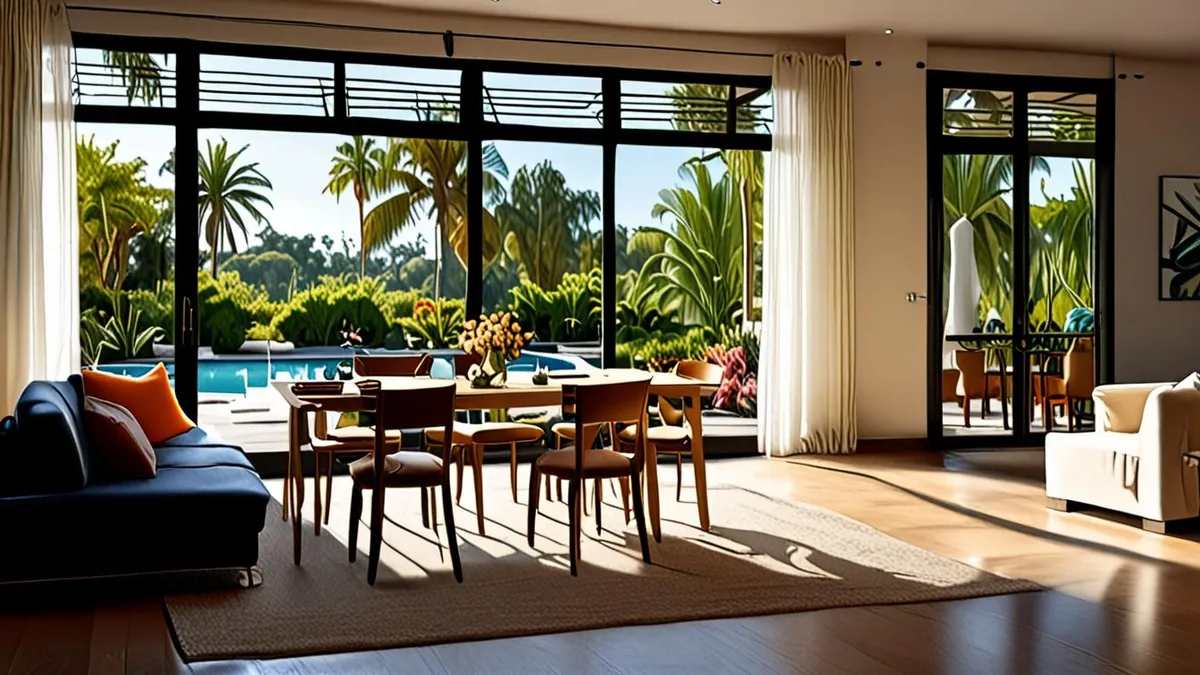
Choose the Right Location and Transfer Time
A villa can be perfect on paper and still exhaust your family if it takes half a day to reach. With young children, keep the drive from the nearest airport under 90 minutes. A short transfer means you arrive before meltdowns set in, and it makes arrival-day food shops and late departures far easier to manage. Ask the owner for a realistic door-to-door time, not just the distance on a map, since winding rural roads can double what looks like a quick trip.
Village Convenience or Countryside Calm
Next, decide what kind of setting suits your family. A walkable village with restaurants and a café square lets older children have some independence and saves you driving to dinner every night. A secluded countryside or hillside villa offers space, quiet and cooler evenings, but it usually means committing to a rental car for the whole week and planning every outing around a drive.
Whichever you choose, check the practical distances too. A supermarket or pharmacy within a 10-15 minute drive covers forgotten sunscreen, snacks and the inevitable scraped knee. Finally, match the setting to your swimmers and walkers: beachfront villas suit families who spend every day in the water, while hills and countryside suit those who prefer hiking, cooler nights and a break from the crowds.
Set a Realistic Budget and Understand What Drives Price
Villa pricing varies enormously, but a genuine family villa with its own pool and three or more bedrooms typically runs between $150 and $600 per night, depending on the destination and the season. A villa in inland Portugal will sit at the lower end, while a beachfront property in a sought-after Mediterranean spot during August can reach the top of that range or beyond. If a price looks dramatically lower than comparable villas in the area, ask why before you get attached.
Timing your dates saves real money
Shoulder-season weeks make a big difference to the budget. Traveling in May or in September and October can cut rates by 20-40% compared with peak summer, and you often get better weather than nervous grandparents expect. The sea in early October around the Mediterranean, for example, is usually warmer than in June, and beaches and restaurants are noticeably quieter with young children.
Remember that the nightly rate is not the whole cost. Extras such as a private chef, which typically adds $30-$80 per day, end-of-stay cleaning fees, pool maintenance and heating in cooler months all add up. Ask the owner for a full written quote covering everything so there are no surprises at checkout.
Finally, compare the total against booking two connecting family suites in a hotel. Once you factor in self-catering breakfasts and dinners, fewer restaurant bills and space for the kids to spread out, the villa frequently wins on both comfort and cost for a family of five or six.
Check Amenities That Keep Kids and Parents Happy
The right amenities turn a good villa into a great one, especially when you have a mix of ages to entertain. Start with the non-negotiables: a private pool, reliable Wi-Fi and air conditioning or heating suited to the season you are traveling. A pool that is unheated in spring is a very different holiday from one you can actually swim in every day, so match the facilities to your dates and ask direct questions rather than assuming. If your children will spend hours in the water, confirm heating costs upfront, since some owners charge a supplement that only appears on the final invoice.
Think about downtime too. Even the best beach days end, and rainy afternoons happen. Look for villas that offer entertainment beyond a single television, and check the kitchen properly if you plan to self-cater most meals. A kitchen with one chipped saucepan and no oven makes family cooking miserable, so ask for a full list of appliances, cookware and even basics like salt, oil and dishwasher tablets. If you are considering extras, a private chef or cook service can be a welcome break on a couple of evenings; it typically adds a meaningful daily cost, so weigh it against eating out nearby.
- Games room or covered terrace: table tennis, a dartboard or a shaded outdoor table gives older kids somewhere to hang out that is not their bedroom, which matters on longer stays.
- Books, board games and streaming access: confirm the villa has a Netflix or similar account logged in, plus a shelf of paperbacks for bedtime reading and quiet mornings.
- Housekeeping frequency: some villas include a mid-week clean and towel change, others charge extra, so know what is standard before you book and budget accordingly.
- A local manager or contact: a reachable person within driving distance who can fix a broken air conditioner or answer questions during your stay is worth more than any gadget, and families often rate this higher than any single facility.
Book at the Right Time and Vet the Listing Carefully
The best family villas in popular regions are booked months in advance, and the good ones rarely appear as last-minute bargains. Booking early is only half the job, though. Vetting the listing carefully protects both your money and your children’s safety, and it takes just an hour of emails. Work through these steps in order:
- Reserve early for peak weeks. For travel in June through August and over Christmas and New Year, aim to book 6-9 months ahead. The villas with genuine family layouts and safe pools go first, and owners can afford to be picky about dates and minimum stays.
- Read reviews from families, not couples. A honeymooning couple will not mention that the second bedroom is a converted garage or that the pool has no shallow end. Filter reviews for recent ones from guests traveling with children, and pay attention to how any problems were handled.
- Ask for dated photos of the exact villa. Some listings show a sister property or photos from a renovation years ago. Request images taken recently, including the pool, stairs and bedrooms your kids will use.
- Check the cancellation policy and damage deposit. Read the small print on refunds, how much the deposit is, when it is returned, and what compensation exists if the villa is unusable when you arrive.
- Message the owner before paying. Send your safety and amenity questions in writing, such as pool fencing, railings and equipment like cots, and judge the quality of the answers before you commit.
How an owner responds to detailed questions tells you a lot about what the stay will actually be like. Slow, vague or evasive replies are a signal to keep looking, while a helpful, specific answer to every message usually reflects a well-run villa worth paying a deposit for. An owner who sends dated photos without being asked twice, explains the refund terms plainly and volunteers practical details is far more likely to fix problems quickly if something goes wrong mid-week. Keep copies of every message, too. If a dispute arises later over the deposit or the condition of the pool, a written trail of promises is the strongest evidence you can have when asking a booking platform or agent to step in on your behalf.
Your Family Villa Checklist in Brief
A villa that looks flawless in photos can still be wrong for your family, and that gap between the listing and reality is exactly what this guide helps you close. The fix is simple: put the right size and a safe layout ahead of looks or price, because no amount of style makes up for a pool without a fence or bedrooms that leave everyone queueing for a shower.
Location and transfer time shape how relaxing the week actually feels, so weigh those before falling for a view. Shoulder-season dates and early booking protect both your budget and your choice of the best villas. And before any deposit is paid, vet recent family reviews, safety answers and cancellation policies. If this helped you plan your next family holiday, leave a comment or share the article with another family choosing a villa.