You love the idea of falling asleep to crickets instead of traffic, but the price tags make you pause. A basic campsite pitch and a furnished glamping tent can sit under the same starry sky, yet one costs a fraction of the other. So in the glamping vs camping debate, is that gap paying for comfort, or are you just paying someone else to do the chores?
This guide breaks the decision into the questions that actually matter. We’ll compare the true costs, including the gear bill nobody mentions, look at how each option handles beds, bathrooms and bad weather, and walk through what a day really looks like at each. We’ll also cover when to book for peak season, which type of trip suits each style, and the bottom line on which one deserves your money. By the end, you should know exactly which tent to choose for your next night outdoors.
Glamping vs Camping: The Core Difference
At first glance the two look similar: both put you outdoors, close to trails, lakes and campfires. The difference is who does the work of creating that setup.
Camping: your shelter, your effort
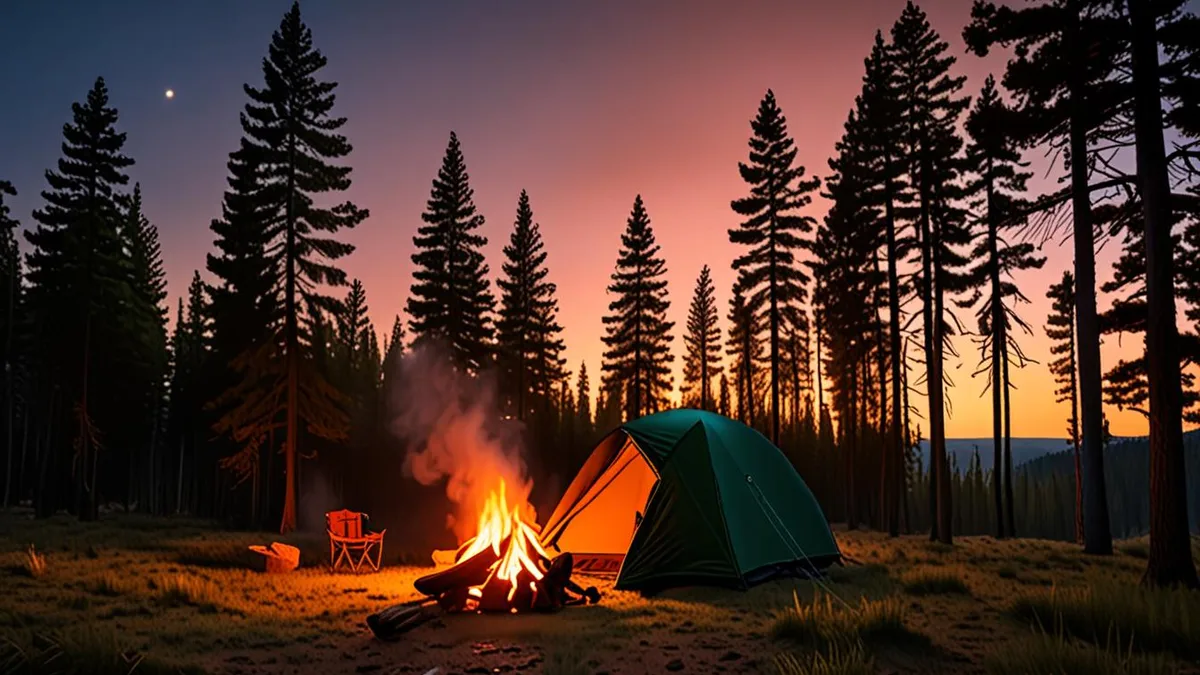
Camping means you bring, pitch and run your own shelter. That starts with the tent itself, but it doesn’t stop there. You also pack a sleeping bag and pad, a stove, cookware, a cooler, headlamps and everything else you need to live outdoors for a few nights. When you arrive at the site, you find your pitch, assemble the tent and organize your gear. When you leave, you take it all down and pack the car again.
The reward for all that labor is a very low nightly cost, since you’re essentially renting a patch of ground.
Glamping: the shelter is already waiting
Glamping flips the equation. Your accommodation is pre-built and furnished before you ever arrive: a real bed with linens, lighting, often a solid floor, and in many setups an en-suite bathroom. You show up with your clothes and your toothbrush, and the “campsite” part is already done.
The real trade-off, then, is effort versus comfort. Camping trades your labor for a low price; glamping trades money for convenience. Neither is the better choice in the abstract — the right answer depends on how much you enjoy the hands-on routine and how much you’re willing to pay to skip it.
Cost Breakdown: Nightly Rates and Hidden Gear Expenses
On a per-night basis, camping wins easily. Basic campsite pitches typically cost $15-40 per night in the US and Europe, which is hard to beat for a roof — or rather, a rainfly — over your head.
The gear bill nobody budgets for
That nightly rate hides the real upfront cost of camping: equipment. A starter gear kit costs roughly $300-600 per person once you add up a decent tent, sleeping bag, sleeping pad, stove, cookware, cooler and a few smaller essentials. For a first trip, that purchase can dwarf what you spend on the campsite itself.
Glamping prices look steep by comparison. Glamping tents and cabins typically run $150-400 per night, with luxury safari-style setups exceeding $600. But the trade is simple: you pay more per night and buy almost nothing. Beyond clothing and toiletries, glamping requires little to no personal gear.
So which is cheaper overall?
It depends on how often you go. For a one-off trip, glamping is often cheaper overall — a few nights at $150-400 can cost less than a campsite stay plus a $300-600 gear kit you may never use again. For repeat campers, the math flips: the gear pays for itself after a few trips, and every night after that costs you just the pitch fee. If you can see yourself camping two or three times a year, buying the kit makes sense. If this is a single experiment, rent the comfort instead.
Comfort: Beds, Bathrooms and Weather Protection
This is where the price gap starts to make sense. Glamping units are built around comfort in a way that a tent in your trunk can rarely match.
What glamping gives you
A typical glamping unit offers a real bed with a proper mattress, heating or cooling for temperature swings, solid floors that keep mud and damp at bay, and usually a private bathroom. You sleep at the same height you do at home, wake up without a sore back, and never make a midnight walk to a shared washblock in the rain.
What camping comfort depends on
Camping comfort is largely a function of your equipment and the site itself. A quality sleeping pad makes the difference between a good night and a stiff back. Tent weatherproofing determines whether a storm is a cozy soundtrack or a soggy emergency. And access to shared shower blocks — which varies a lot between campsites — shapes how civilized the mornings feel. Buy good gear and pick a well-run site, and camping can be genuinely pleasant.
The weather gap
Rain and cold nights are the biggest comfort gap between the two. A furnished tent with heating handles bad weather far better than a basic dome tent: you stay warm, dry and off the ground while the storm passes. In a standard tent, the same night means condensation on the walls, damp sleeping bags and the constant battle to keep everything dry. If your trip dates are likely to be wet or chilly, that difference alone can justify the upgrade.
What to Expect Day to Day: Cooking, Cleaning and Setup
The daily rhythm of a camping trip looks very different from a glamping stay, and this is where the real workload gap shows up. When you arrive at a campsite, the first job is pitching your tent, which takes anywhere from fifteen minutes on a good day to considerably longer if the ground is hard, the wind picks up or you are wrestling with unfamiliar poles. Then comes the cooking: a portable stove on the picnic table, water hauled from the tap block, and a wash-up basin for the dishes afterward.
Glamping flips that routine entirely. You typically arrive to a unit that is already standing, made up and lit, so your first evening starts with relaxing rather than assembling. At higher-end properties, housekeeping or a daily reset keeps the space tidy, fresh towels included, much like a small hotel.
Meals are the other big difference. Campsites generally mean self-catering on your own stove, or driving into the nearest town for supplies and restaurants. Many glamping sites, by contrast, build food into the experience. Before you book, it helps to know what each option actually asks of you:
- Tent pitching: expect to read instructions, hammer stakes and adjust guy lines, especially the first time with a new tent model.
- Portable stove cooking: you will need fuel canisters, a lighter, basic cookware and a cooler or cool box for perishables.
- Washing up and packing down: the trip ends with drying the tent, sweeping the pitch and loading everything back into the car.
- Firepit dinners: some glamping sites provide pre-arranged firepit meals or grill packs, so dinner is a matter of lighting the fire.
- On-site dining: higher-end glamping properties may run a small restaurant or serve breakfast delivered to your tent door.
Booking Windows and Seasonal Planning
Glamping and camping follow very different booking rhythms, and timing your reservation well can save both money and disappointment. Furnished units are limited by nature: a glamping site might have six safari tents where a campground has two hundred pitches. That scarcity means peak-season weekends, especially in July and August, sell out first. As a rule of thumb, book glamping two to three months ahead for summer dates, and earlier still if you have your heart set on a specific unit or a holiday weekend.
How Early to Book Each Option
Standard campsites are more forgiving outside the busiest stretch of the year. In quieter months, booking one to four weeks ahead is usually enough for most campgrounds. The exception is June through August, when popular national park sites can fill within days of reservations opening. If you are targeting a famous park in high summer, treat the booking release date like a concert on sale and set a reminder.
Why Shoulder Months Work for Both
May, September and early October are the sweet spot for temperate regions. Weather is generally still pleasant enough for sleeping outdoors, campsite demand drops, and glamping operators often soften their rates once the school holidays end. You get the same beds, the same views and quieter surroundings, usually at a lower price. Check cancellation policies before committing, since shoulder-season weather can be less predictable than midsummer.
Which One Fits Your Trip
The right choice depends less on the accommodation itself and more on how you travel. If you head outdoors several times a year, genuinely enjoy the hands-on routine of setting up camp, and want the lowest nightly cost, camping is the obvious fit. The gear you buy once keeps paying for itself, and each trip gets easier as your routine sharpens.
Glamping suits a different traveler. If this is a one-off trip, a first outing with young kids, or you simply want to wake up in nature without owning a single piece of equipment, a furnished tent or cabin removes every barrier. For a sense of how far the category stretches, have a look at a treehouse stay that blends luxury with the Okinawan forest, which shows how polished the experience can get.
There is also a middle path worth considering: glamp once to test whether the outdoors is really your thing, then invest in your own gear only if you catch the bug. To make the decision easier, here is a quick breakdown by traveler type:
- Frequent outdoors travelers: buying your own tent, stove and sleeping bag costs more upfront but works out far cheaper across a season of trips.
- Families with young children: glamping units usually sleep two to four guests comfortably, and real beds make bedtime in the woods far less of a battle.
- First-timers unsure about roughing it: one glamping night tells you whether you love the outdoors or merely liked the idea of it, without a gear investment.
- Travelers with no storage space: camping gear needs a garage or closet between trips, so apartment dwellers often find glamping the more practical habit.
- Special occasions: anniversaries and milestone trips justify the higher nightly rate for the comfort and setting alone.
The Bottom Line on Glamping vs Camping
Both options put you outdoors, but they buy very different nights. Camping costs less per night, yet it asks for a gear investment, hands-on setup and a real tolerance for weather. Glamping costs several times more, but it hands you a real bed, a private bathroom and zero work on arrival or departure.
So the right pick comes down to how often you travel, what your budget allows and how much roughing it you genuinely enjoy. If a night under the stars sounds good either way, that is exactly the point: there is no wrong answer, only the version that fits your trip. If you have a favorite camping memory or a glamping stay that won you over, leave a comment or share this article.