Glamping promises a real bed under canvas, so packing should be simple, right? In practice, many travelers arrive with a sleeping bag they never unroll and nothing warm for a chilly evening on the deck. The tent, bedding and often the cooking gear are sorted, but the clothes and personal items you bring still change completely with the season, and that’s where glamping trip packing gets tricky.
This guide breaks it down season by season. We start with why a glamping list differs from a traditional camping checklist, then cover spring layers for rain and mud, summer sun protection, autumn warmth and light, and winter sub-zero gear. We finish with booking timing and destination-specific extras, plus a short recap to make your next trip easy to pack for. Check the details with your chosen site, since amenities vary, and you’ll be ready for whatever the weather brings.
Why a Glamping Trip Packing List Is Different From Camping
The biggest mistake first-time glampers make is packing as if they’re sleeping on the ground with a backpacking stove. In most glamping tents, domes and cabins, the bedding, towels and usually at least basic cooking equipment are already provided. That means you can leave the sleeping bag, camp stove, cool box and mess kit at home, and reclaim a surprising amount of bag space.
Instead, put your budget and your luggage space toward clothing layers and personal comfort items. A good fleece, proper footwear and a favorite book will do more for your trip than any gadget from the camping aisle. Think of it as a hotel stay with a weather problem to solve, not a survival exercise.
Choose the right bag
A soft duffel in the 40-60 liter range is the sweet spot. Hard-sided suitcases rarely fit the low storage benches inside safari-style tents and yurts, and they’re awkward to drag across gravel paths or grass. A duffel with backpack straps makes the walk from the car park much easier.
Finally, check your site’s amenity list before you pack anything in the “camping essentials” category. Some sites supply everything from coffee makers to bathrobes; others expect you to bring your own toiletries and a torch. Ten minutes reading the operator’s checklist prevents both double-packing and arriving without something you actually needed.
Spring Packing: Layers for Mud, Rain and Chilly Nights
Spring glamping, typically running from March to May, is beautiful and unpredictable. You can get a bright, mild afternoon followed by a downpour and a muddy path back to the shower block. The solution is a waterproof shell jacket and quick-dry trousers, both of which handle showers and soggy ground without weighing down your bag. Look for a jacket with a hood that fits over a hat, because spring showers rarely arrive alone and you will want your hands free for a torch or a coffee mug on the way back from the bathroom block.
Evenings are the real surprise for many spring travelers. Nights often fall to 5-10°C, which feels sharp once you step away from the fire pit. A mid-layer fleece over a t-shirt keeps you comfortable for dinner and stargazing without needing full winter gear. Dress in pieces you can peel off as the evening warms by the fire and pull back on when the temperature drops again.
- Waterproof boots with decent tread: grass paths and tent decks stay slick long after the rain stops, so ankle-supporting boots beat trainers.
- Two or three spare pairs of socks: wet socks are the fastest route to a miserable day, and merino blends dry faster than cotton.
- A light beanie and thin gloves: they take up almost no space but make early-morning coffee outside genuinely pleasant instead of a dash back inside.
- A packable dry bag or plastic liner: useful for separating muddy boots and wet rain gear from the rest of your clothes on the drive home.
Skip the sandals for now, or save them strictly for inside the tent. In spring, dry, warm feet matter far more than a holiday wardrobe, and everything you pack should work when it’s damp. If you can only remember one rule for this season, make it this: assume the forecast is wrong, and pack so that being wrong costs you nothing but a change of socks.
Summer Packing: Sun Protection and Breathable Comfort
Summer glamping from June to August brings daytime highs of 25-30°C, so your wardrobe should breathe. Linen and cotton clothing are the best choices: they handle heat well, dry quickly after a swim and look good in photos without any effort. Pack light colors for daytime and one slightly smarter outfit if your site has a restaurant or evening events.
Sun protection is the part travelers most often underestimate. Days on an open deck or by a lake add up fast, and shade under canvas only helps when you’re actually inside the tent. Treat sunscreen, a hat and sunglasses as non-negotiables, not extras.
- After-sun lotion or aloe gel: even careful travelers catch too much sun on day one, and cooling relief makes the rest of the trip far more comfortable.
- A reusable water bottle: refill stations are common at glamping sites, and a bottle you can clip to a daypack keeps you hydrated on walks.
- A compact battery-powered fan: tents without air conditioning can hold heat well into the evening, and a small fan aimed at the bed makes sleeping easier.
- Loose, light-colored sleepwear: warm nights are the norm in summer, so breathable pajamas beat the fleece you’d bring in spring.
Even with all that, include one warm layer anyway. Some sites, especially those at altitude or near the coast, cool sharply after sunset, and a light fleece or cardigan turns a chilly barbecue evening into a comfortable one. Check your destination’s typical conditions before you go, since summer at the coast is rarely the same as summer inland.
Autumn Packing: Warmth, Light and Wet-Weather Backup
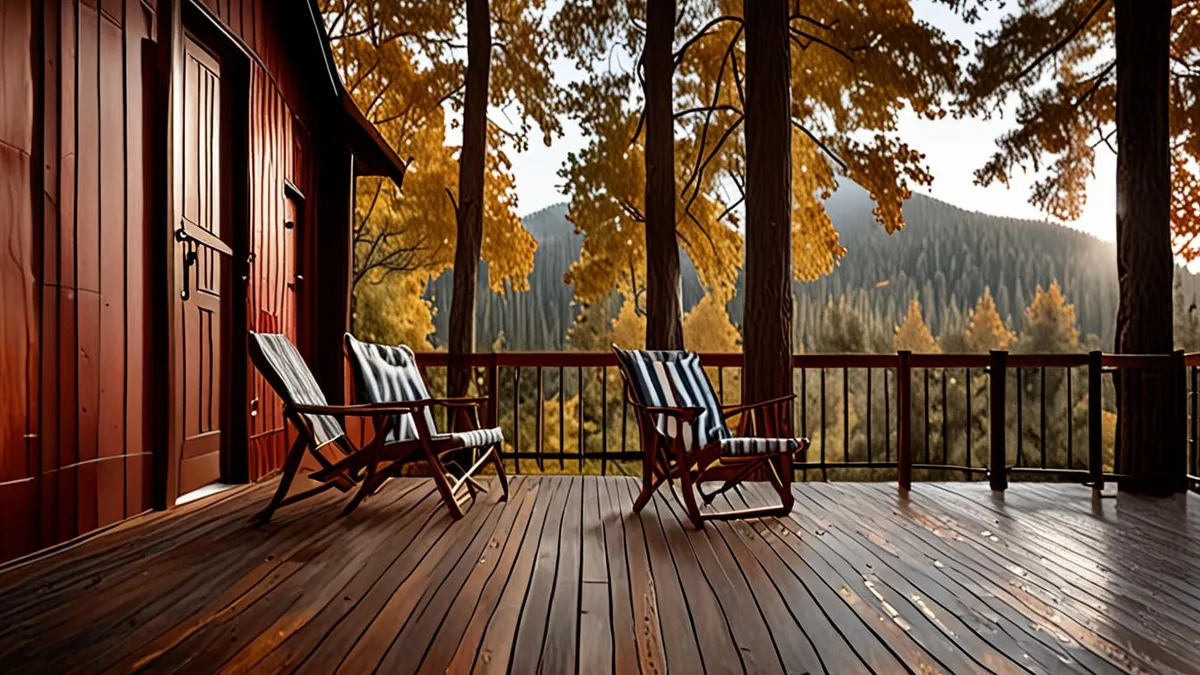
Autumn glamping sits in that tricky window when September starts mild and November ends cold. Temperatures slide from around 15°C down to near 5°C across the season, so a single heavy coat rarely works. The answer is a three-part layering system: a merino base layer to manage sweat, an insulating mid-layer such as fleece or a light down jacket, and a windproof outer to block gusty fronts. You can add or shed pieces as the day warms and cools.
Darkness is the other big autumn change. Nights draw in earlier from September through November, and many sites have limited lighting between your tent and the bathroom block. A headlamp of 200+ lumens handles most campsite night tasks and keeps both hands free for unlocking doors or carrying mugs.
Rain is unpredictable in autumn, often arriving as short, sharp fronts rather than all-day drizzle. Waterproof footwear and a packable rain jacket should live near the top of your bag, not buried at the bottom. And when the evening chill sets in on the deck, a thermos of hot tea or coffee turns a shivery moment into a pleasant one.
- Merino base layers: Choose a lightweight weight rather than heavy expedition fabric, so the same top works for a 15°C afternoon and a 5°C night with layers added.
- Headlamp spare batteries: Pack one spare set in a small zip bag, since cold nights drain batteries faster than you expect.
- Packable rain jacket: Look for one that stuffs into its own pocket and takes up roughly the space of a water bottle, so it never becomes an excuse to leave it behind.
- Thermos: A 500 ml insulated flask keeps drinks hot through an evening on the deck and doubles as a water bottle on morning walks.
- Quick-dry socks: Two extra pairs of synthetic or wool socks let you rotate through wet days without putting damp fabric back on your feet.
Winter Packing: Sub-Zero Gear and Cozy Extras
Winter glamping is a genuinely different sport, and your packing list should reflect nights that often drop to -5°C or lower. Start with the core three: an insulated jacket, thermal base layers worn against the skin, and wool socks rated for serious cold. Cotton has no place in this kit, because once it gets damp it stays cold, and damp equals miserable.
The tent floor is where most winter glampers suffer, not the air temperature. Even heated tents often have chilly floors, so slipper-style footwear with thick soles makes moving around your tent far more comfortable. A hot-water bottle tucked into your bedding before you get in, and disposable hand warmers in your pockets, are small items that transform the experience.
One warning that matters more than any item on this list: choose a site with proper heating or a wood stove, and confirm it directly with the operator before booking. “Four-season” is a marketing phrase that not every operator earns, so ask specifically how the tent is heated and whether it stays on overnight.
- Lip balm and moisturiser: Cold air holds very little moisture, so pack a thick balm for lips and a richer cream than you use at home to stop skin cracking.
- Hot-water bottle: Bring one with a snug cover, since bare rubber against cold sheets feels too hot at first and cools too fast.
- Hand warmers: Air-activated pairs last several hours each; tuck them into gloves or pockets for stargazing and morning coffee runs.
- Slipper-style footwear: Choose a pair with a rubber sole so you can walk to the bathroom block without swapping shoes in the dark.
- Thermal base layers: Bring at least two sets so you can sleep in a dry set and keep a day set for walking and activities.
Booking Timing and Destination-Specific Extras
Good packing starts before you open a single bag, and timing is the first decision. Peak summer glamping sites sell out quickly, so reserve them 3-6 months ahead to get your pick of tents and dates. Shoulder-season trips are more forgiving, but booking 4-8 weeks ahead still gives you better choice and often better rates than last-minute searches.
Ask About the Setting Before You Pack
Where your site sits changes what goes in the bag. A site at altitude adds one item to your list, such as an altitude balm or extra hydration plan. A coastal site calls for reef-safe sunscreen and a windproof layer, while a jungle or forest setting makes insect repellent the non-negotiable addition. One quick question to the operator covers all three scenarios.
Confirm What Is Supplied
The most common packing mistake in glamping is double-packing. Operators differ widely on what they provide: some supply robes, wellies and firewood, others leave you to bring your own. Ask for the amenity list in writing before you pack, then tick off anything you can leave at home. That frees up space and budget for the layers and comfort items that actually make the trip.
Finally, match your list to the season at your destination, not the season at home. Flying from a cold climate to a warm one in December is a classic trap; check the destination’s typical conditions for your travel dates and pack for those, even if your suitcase at home is full of winter gear.
Pack Smart, Glamp Happy
Glamping takes care of the hard part: the tent is already standing, the bed is made and the cooking gear is usually waiting for you. The struggle most travelers face is knowing which clothes and personal gear each season actually demands, and that answer changes more than you might expect. The core of glamping trip packing is seasonal layering, not camping gear.
Keep the pattern simple. Spring and autumn demand rain protection, summer calls for sun protection, and winter requires sub-zero insulation. Pair that with a 40-60 liter soft bag and a quick check of your site’s amenity list, and you will avoid most packing mistakes before you leave home. If this guide helped you sort out your own bag, leave a comment or share it with a fellow glamping friend.