Figuring out where to stay in Banff is trickier than it looks. The park has several very different lodge areas, and picking the wrong base can add hours of driving to your days or blow your budget on a location that doesn’t fit how you actually travel. A downtown lodge, a forested retreat on Tunnel Mountain, a chalet near Lake Louise and a condo in Canmore all deliver a very different trip.
This guide compares the main lodge areas side by side: walkable downtown Banff Avenue, the quiet Bow Valley and Tunnel Mountain fringe, the Lake Louise and Icefields Parkway corridor, and budget-friendly Canmore. We’ll look at what each area does best, what it costs in peak and shoulder seasons, and how far ahead you need to book. By the end, you should be able to match your dates, budget and itinerary to the right base before you reserve.
Why Choosing the Right Banff Lodge Area Matters
Banff National Park spreads over 6,600 square kilometers, and that sheer size is why your choice of base matters so much. The distance between popular spots is real: Banff townsite to Lake Louise is roughly 57 km, about 40 minutes by car. If your lodge sits in the wrong corner of the park for your plans, you can easily spend an hour or more driving each way to trailheads, lakes and sights every single day.
Each area trades one advantage for another. Staying in the town of Banff puts walkable dinners, cafes and shops right outside your door, which is hard to beat after a long day on the trails. Staying near Lake Louise means earlier trailhead access and a head start on the crowds, but you give up most of the dining and evening options. Neither is wrong; they simply suit different trips.
Prices and crowds shift sharply by area
Prices, availability and crowds differ sharply between areas, especially in the peak season that runs from late June through early September. Townsite lodges command the highest summer rates, while properties in the quieter fringes or just outside the park gate can be noticeably cheaper. Availability is the other pressure point: the most scenic and smallest properties sell out first, sometimes months ahead.
The practical takeaway is to choose your base around your itinerary, not the other way around. If you plan sunrise starts at the big lakes, the Lake Louise corridor makes sense. If you want evenings strolling to dinner without touching the car, stay in town. If you’re driving in anyway and want space and value, look at the edges. The sections below break down each option in detail.
Downtown Banff Avenue: Best for Walkability and Dining
Lodges along Banff Avenue and the surrounding blocks put you in the middle of everything. Restaurants, cafes and shops sit within a 5-10 minute walk of most properties on or just off the main strip, so you can park the car at check-in and barely touch it until departure. After a day of hiking, walking to dinner beats driving back into town from the outskirts.
Who this area suits best
This is the ideal base for first-time visitors who want the classic Banff experience with minimum logistics. It’s also the strongest choice for car-free travelers: Roam Transit buses connect the townsite to major attractions including the Banff Gondola, Cave and Basin and Johnston Canyon, so you can reach several headline sights without renting a vehicle at all. Add in the range of shops, rental outfitters and tour departure points in town, and a car-free trip becomes genuinely practical.
What you pay and what to watch for
The trade-off is price and noise. Downtown Banff Avenue lodges charge the highest summer rates in town, often CAD 350-600+ per night in peak weeks, so book early if you want a specific property. Rooms facing the main road can also pick up street noise, especially on summer evenings when the strip is busy. If you’re a light sleeper, ask for a room at the back of the property or on an upper floor away from the avenue frontage. For many travelers, the convenience is worth both the premium and the bustle; for others, the quieter lodge areas a short drive away make more sense.
Bow Valley and Tunnel Mountain Lodges: Quiet with Views
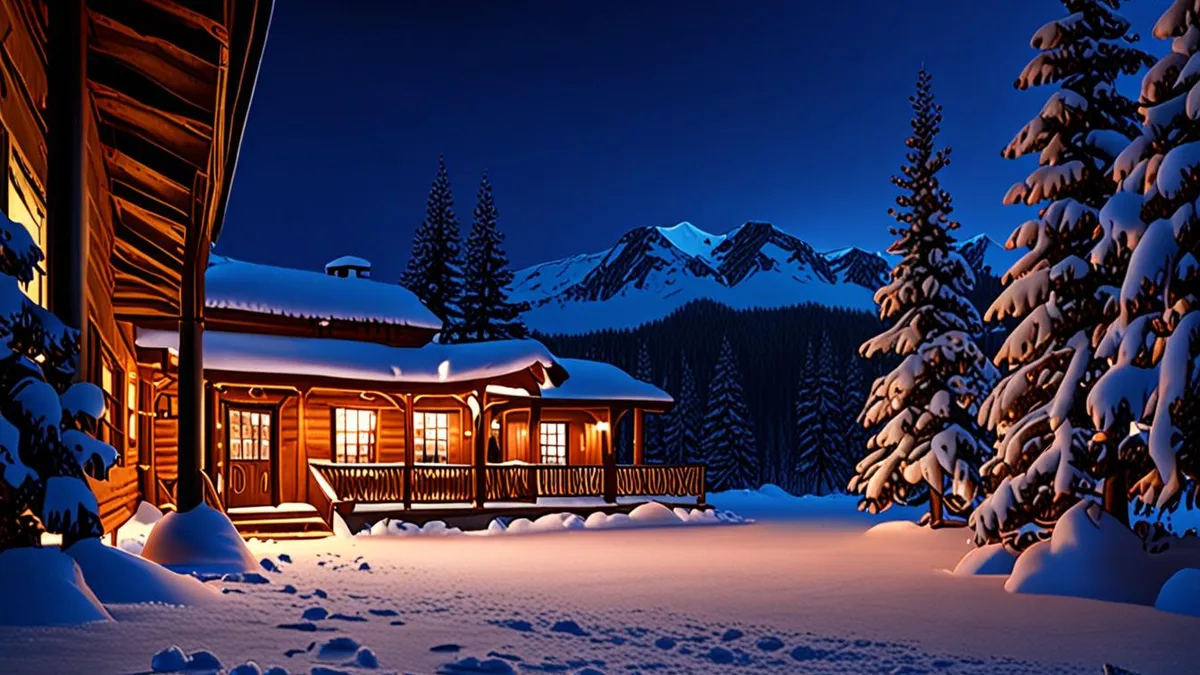
Lodges on Tunnel Mountain Drive and along the Bow Valley fringe sit 5-15 minutes from downtown, trading walkability for something many visitors actually want more of: quiet. These properties are set back in forest with mountain balconies, and it’s common to step outside in the morning to birdsong instead of traffic. Elk wander through the grounds regularly, and the drive into town for dinner is short and scenic rather than a chore.
Built for families and longer stays
Many lodges in this area offer kitchenettes and hot tubs, a combination that suits families and anyone planning a longer stay of four nights or more. Being able to cook breakfast before an early trailhead start, or make a simple dinner instead of paying restaurant prices every night, adds up quickly over a week. A soak in a hot tub under the peaks after a day on the trails is a decent substitute for walkable dining, too.
The catch: you’ll need a car
A car is practically essential here. While some properties sit close enough to town for an ambitious walk, distances, dark roads and wildlife make driving the realistic option for dinners, groceries and sightseeing. Plan your itinerary around that.
The reward for the extra driving is value. Winter rates in this area often dip to CAD 200-350 per night, making it the sweet spot for travelers who want comfort and views without downtown prices. If your trip centers on skiing, snowshoeing or simply relaxing in a forest setting, this fringe delivers more space per dollar than the main strip, and the short drive to town keeps restaurants and shops within easy reach when you want them.
Lake Louise and the Icefields Parkway Corridor
Staying near Lake Louise puts you roughly 57 km, or about a 40-minute drive, from the Banff townsite. That distance is exactly why this corridor is so popular with hikers: you can be at the Lake Louise or Moraine Lake trailheads early enough to beat the crowds that build up before 8 am in summer. If sunrise starts and alpine scenery are the whole point of your trip, sleeping here beats commuting from town every morning.
The catch is inventory. Lodge and chalet options along this stretch of the Bow Valley Parkway and the Lake Louise area are limited compared with Banff townsite, and they sell out months ahead for summer. Plan on booking 4-6 months in advance if you want a specific property or even a choice of rooms at all.
What You Trade for the Location
Dining is the big compromise. You will find far fewer restaurants here than in Banff, and prices tend to run higher for what you get, since you are paying for a remote, high-demand location. If you want a lively evening out, expect a 40-minute drive back to Banff for dinner, which is doable but adds up over a multi-night stay. For many visitors, the early trailhead access is worth every trade-off.
Canmore and Harvie Heights: Budget-Friendly Alternative
Canmore sits about 20 minutes east of the Banff park gate, just outside the national park boundary. Because it is a full town rather than a resort village, you get noticeably more lodge and condo inventory, and rates typically run roughly 20-40% lower than comparable properties in Banff townsite. Harvie Heights, a small community on the road into Canmore, adds a few more quiet options close to the highway.
What You Give Up by Staying Outside the Park
Two things to factor in. First, you will pay a daily park entry fee to drive into Banff National Park, so check the current rate before your trip. Second, add commute time to any early outing. If your plan is sunrise at a trailhead or an early gondola ride, that 20-minute drive each way eats into your morning.
Where Canmore shines is longer stays. Condos with full kitchens are common, making it a natural fit for self-catering travelers who want to cook their own meals and spread out a bit. It also works well in the shoulder seasons of May-June and September-October, when weather is still good, crowds are thinner, and the savings matter more than being steps from Banff Avenue. If you are visiting for a week and want value without sacrificing mountain views, this is the base to compare first.
When to Book and What to Pay by Season
Timing your booking matters almost as much as picking your area. Summer is the toughest window to secure: peak season runs late June through early September, and the most desirable lodges fill their calendars far in advance. Mark your booking date on the calendar as soon as you know your travel window, then set reminders so you are ready the moment reservations open for your dates. For ski trips between mid-December and February, book 3-4 months ahead; that window gives you the best shot at slopeside or shuttle-friendly properties before the calendar fills.
Rates swing sharply by season. Peak summer lodge rates typically run CAD 300-600+ per night, while winter drops to CAD 200-450. If your dates are flexible, the best value sits in the November and April shoulder weeks, when you can often find well-located lodges at the bottom of that range. Winter also has its own appeal, from skiing to relaxing spa stays like those described in a ski and spa getaway in the Rockies. Weekends and holiday periods command a premium in every season, so shifting a stay by even a day or two can change the rate noticeably.
- Lock in Lake Louise corridor properties first. They sell out before anything in the Banff townsite, so securing that base should be step one of your booking plan.
- Work backwards from your must-do activities. If a specific hike or gondola day anchors your trip, choose the area that shortens that drive, then build the rest of your itinerary around it.
- Compare the same room category across seasons before committing. A lodge that looks affordable in April can double in price for a July date, so check your exact travel window, not the cheapest calendar week.
Matching Your Banff Base to Your Trip
The right Banff base comes down to how you travel. Downtown Banff Avenue suits walkable, car-free trips where dinners and shops sit steps from your door. Tunnel Mountain lodges fit quiet value stays with forest views. Lake Louise is the pick for early trailhead starts at Moraine Lake and Lake Louise, while Canmore works best for budgets and longer visits.
Booking lead times and seasonal rates decide as much as location, so match your dates to your area before reserving. Summer fills fastest, and the Lake Louise corridor sells out first. Whichever area you pick, basing yourself inside the Rockies puts Banff’s lakes, trails and peaks within easy reach. Have a favorite base or a question about your trip? Leave a comment or share this article.