Scrolling through photos, a yurt, a safari tent and a geodesic dome all look equally dreamy: warm lamplight, wide beds, wild landscapes outside. But the yurt vs safari tent vs dome choice is not just about looks. Picking the wrong structure for your destination and season can turn a luxury escape into a cold, sweaty or soggy night on the “wrong” side of canvas.
Each of these stays behaves very differently in wind, rain, heat and frost, and each suits a different kind of traveler. In this guide, we break down how each structure actually works, what comfort and space you get inside, and which climates and seasons they handle best. We’ll also cover the best destinations for each type, typical prices and booking lead times, and which stay fits honeymooners, families and adventure seekers. By the end, you’ll know exactly which glamping stay suits you.
Yurt vs Safari Tent vs Dome: How Each Structure Actually Works
These three structures look similar in glossy photos, but they were built for very different purposes. Understanding the design behind each one explains a lot about where it will feel comfortable.
The yurt: a nomad’s winter home
A yurt is a circular tent of felt or canvas stretched over a wooden lattice frame, with a central compression ring holding up the roof. This design was perfected by nomads on the Central Asian steppe, where it had to shrug off brutal winter winds and heavy snow. That heritage is why yurts feel so cozy in cold climates: the round shape sheds weather, and traditional felt linings trap warmth remarkably well.
Safari tents and domes
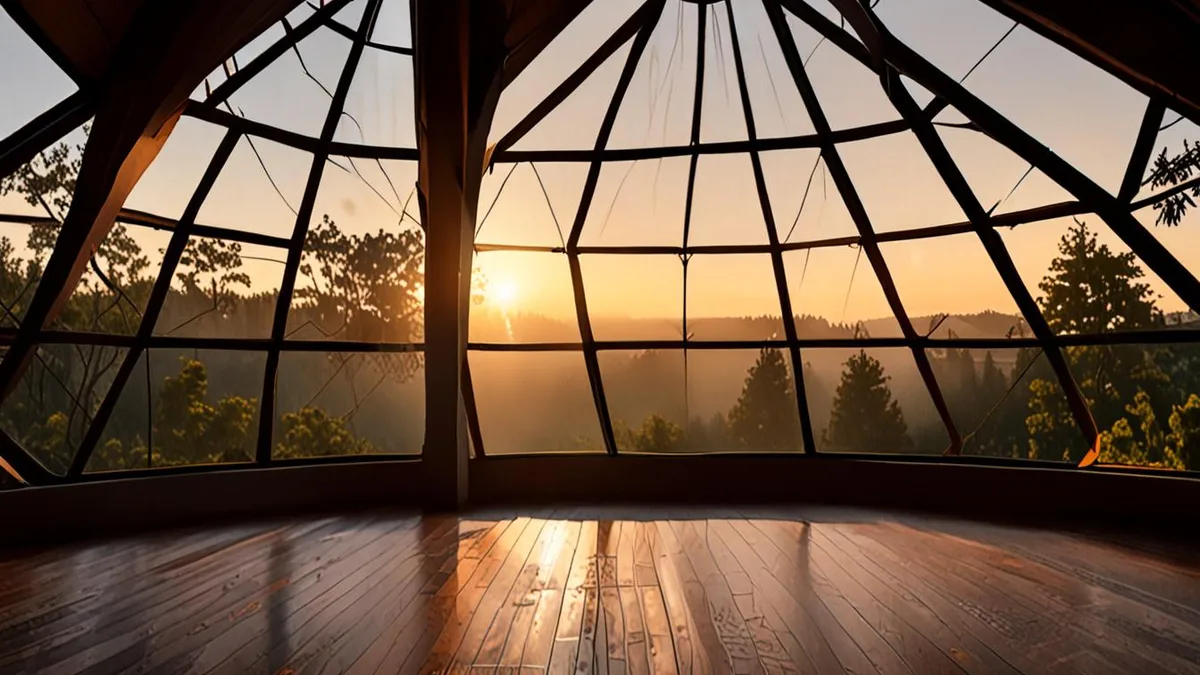
A safari tent is essentially a large canvas room mounted on a fixed frame, usually with a solid floor. The style was popularized by East African lodges, so many come with real en-suite bathrooms, proper doors and a private deck. A dome, by contrast, is a geodesic sphere built from triangular panels. Because the panels interlock, domes are structurally strong and often include transparent sections that turn the ceiling into a panoramic window or stargazing skylight.
Comfort and Space: What You Get Inside Each Stay
Inside, the gap between these structures is bigger than the outside suggests. Safari tents offer the most space, typically 40-70 sqm, often with full bathrooms, a private deck and sometimes even a plunge pool. Yurts average 20-40 sqm, usually centered on a wood stove or topped with a skylight, and bathroom facilities are commonly in a separate building nearby. Domes range from compact 20 sqm couples’ pods to 60 sqm family units. That difference in floor area matters more than it sounds: in a 25 sqm yurt, luggage tends to live in a chest or under the bed, while a 60 sqm safari tent can swallow suitcases, a stroller and a travel crib without feeling crowded. Ceiling height varies too, so tall travelers should check whether they can stand upright everywhere or only in the center.
One caveat: with domes, insulation quality varies widely by operator. Two domes on the same hillside can feel completely different at night, so it pays to ask specific questions before booking. Request photos of the interior in winter or during rain, not just sunny publicity shots, and ask how the panels are sealed and heated. A well-insulated dome with a small heater feels cozy in wet weather; a thin single-layer panel can turn condensation into a nightly annoyance.
- Ask about the bathroom setup. Some yurt camps have heated communal shower blocks a short walk away; others offer private bathrooms per yurt, which changes the experience significantly in cold or rainy weather. If you are traveling with kids or older relatives, a short nighttime walk across a muddy path may be a dealbreaker.
- Check the bedding configuration. Family-size domes often sleep four or more with separate sleeping corners, while many yurts are set up for two plus a child on a floor mattress. Confirm bed types in writing, since a “sleeps four” listing sometimes means two floor futons.
- Look at power and lighting. Safari tents on established lodges usually have full electricity, while remote yurts and domes may rely on solar power with limited evening light and no outlets for charging everything at once. Pack a small power bank and a headlamp, and ask whether charging is possible in a communal lodge building.
Climate and Season: Matching the Structure to the Weather
Weather is where the wrong choice really shows. The structure that feels magical in one season can feel miserable in another just a few weeks later.
Cold, dry and windy: who wins where
Yurts excel in cold climates. Felt-lined Central Asian designs stay comfortable at temperatures down to about -20°C, and the combination of a central stove and insulated walls makes them the natural pick for mountain winters. Safari tents are the opposite: canvas shines in dry seasons, typically June-October in East Africa and November-April in Southeast Asia, when it stays dry, breathable and pleasantly cool. In sustained rain or humidity, canvas can feel damp and clammy.
Domes sit in between. Their insulated panels and wind-resistant geodesic shape make them strong performers in shoulder seasons, when weather is changeable and gusty. The trade-off is sun: transparent ceiling panels offer wonderful stargazing, but they can warm quickly in direct summer sun, so ask about shading or ventilation if you’re traveling in the hottest months.
Where Each Glamping Stay Shines: Best Destinations by Type
Each of these structures has a natural home, and picking the right destination often matters more than picking the right tent. Match the structure to the landscape and it will feel like it belongs there — because in most cases, it does.
Yurts belong on open, cold-country terrain. The Mongolian steppe is the classic setting, where families have lived in gers for generations, and you can stay in everything from family-run camps to polished tourist ger camps. Kyrgyzstan’s alpine lakes, especially around Song-Kul, offer some of the most atmospheric yurt stays in the world, with herders’ camps set at high elevation beside the water. If you’d rather stay closer to home, yurt camps in mountain meadows across the US Rockies and the Pyrenees give you the same round, cozy feel without the long-haul flight.
Safari tents are at their best where wildlife or beach views justify all that canvas. The savannah camps of the Serengeti and Masai Mara are the gold standard — you fall asleep to distant lions and wake to zebras grazing past your deck. Botswana’s Okavango Delta takes it further, with tents on platforms overlooking floodplains and channels. For a softer version, beachside camps in Thailand and Sri Lanka pair canvas rooms with sand and palm trees, like the kind of forest-and-shore hideaway you can stay hidden in Langkawi’s ancient forest.
Domes thrive where the view is the whole point. Patagonia’s volcanic landscapes have made geodesic domes famous, with panels framing glaciers and granite towers. Iceland and the Norwegian fjords are the top picks for aurora viewing, since you can watch the sky from bed. Forested valleys in the Alps round out the list with leafy, low-key settings.
- Mongolian steppe: Some ger camps let you ride horses with local herders between meals, turning the stay itself into a cultural experience rather than just a place to sleep.
- Kyrgyzstan’s alpine lakes: Camps around Song-Kul are often seasonal and taken down before winter, so always confirm opening dates with your operator before booking.
- Serengeti and Masai Mara: Many safari tents here are mobile camps that relocate with the seasons to follow the herds, so the exact location can shift within the reserve.
- Okavango Delta: Tents on raised platforms sit above seasonal floodwaters, and game viewing often happens by mokoro canoe rather than vehicle.
- Thailand and Sri Lanka: Beachside camps frequently include kayaks, snorkeling gear or boat trips, so check what activities are bundled into the rate.
- Patagonia: Dome camps here are often trekking bases, with guided day hikes included, so you can earn your panoramic views on foot.
- Iceland and the Norwegian fjords: Aurora-viewing domes usually sit away from town lights, which means renting a car or arranging transfers is part of the plan.
- Alps forest valleys: Domes here often double as year-round bases for hiking in summer and skiing nearby in winter, so pack for the season you’re visiting.
Price and Booking: What Each Stay Type Costs and When to Reserve
Glamping prices vary more by location and season than by structure, but there are clear patterns. Expect roughly $120-$500 per night for yurts, $200-$800 for domes, and $300-$1,500 for high-end safari tents. Within each range, the biggest price drivers are remoteness, whether meals and activities are included, and how private the site is.
A yurt in a Kyrgyzstani herder camp with shared facilities sits at the bottom of its range, while a luxury yurt in the US Rockies with a private deck and catering can climb toward the top. Domes in Iceland or Patagonia often price higher than the same structure in a European forest valley, simply because of logistics. Safari tents in East African conservancies usually bundle game drives, all meals and park access into the rate, which is why they can look expensive at first glance — compare what’s actually included before judging.
Booking timelines that actually work
Safari tents need the most forward planning. Reserve peak season 6-12 months ahead, especially July-September in the Masai Mara during the migration, when the best camps sell out many months in advance. If you’re flexible on dates or willing to book a camp that’s a short drive from the main action, you’ll find more availability closer in.
Domes and yurts usually need 2-4 months of lead time, which makes them easier for spontaneous trips. The exception is aurora-season domes in Iceland, which sell out earlier — those small, stargazing pods are limited in number and demand spikes in winter, so book as early as you would a safari tent if the northern lights are the whole reason for your trip.
Whatever you choose, check the current rate and cancellation terms directly with the operator, since prices shift with season, fuel costs and exchange rates more than most travelers expect.
Choosing by Travel Style: Honeymooners, Families and Adventure Seekers
The best structure depends less on the destination and more on who’s traveling. A dome that feels romantic for two can feel cramped for a family of four, and a safari tent that’s perfect with kids might be more service than a solo adventurer wants.
Honeymooners get the most romance from stargazing domes or private-deck safari tents with outdoor baths. Picture watching the Milky Way through a transparent ceiling from a heated bed, or soaking in a tub on your own deck while elephants drink at a waterhole in the distance. Both setups deliver that “we’re somewhere completely different” feeling couples are chasing.
Families should favor safari tents for space and solid floors, or multi-yurt camps with shared communal areas. Kids need room to move, secure doors and a bathroom that doesn’t involve a midnight walk across wet grass. Safari tents typically span 40-70 sqm with full bathrooms, which makes a big difference over a week-long stay.
Adventure seekers and remote-travel lovers suit yurts, which sit closest to the traditional, off-grid experience. If you’d rather hear wind on canvas than a generator, and you don’t mind shared facilities, a yurt camp delivers the most authentic version of the experience.
- Honeymooners: Ask operators about honeymoon extras — many safari camps and dome sites can arrange private dinners, champagne on the deck or a late checkout without a formal package.
- Couples on a budget: A compact 20 sqm dome pod is often the cheapest way to get a private, romantic stay, and smaller pods are usually priced well below the family-sized units.
- Families with young children: Look for safari tents with solid floors and enclosed decks, which remove the worry of toddlers near open edges or canvas zippers.
- Families with teenagers: Multi-yurt camps with communal dining tents give teens space to socialize with other travelers while parents still keep everyone within one site.
- Adventure seekers: Yurt camps in Kyrgyzstan and Mongolia often sit at trailheads or beside lakes, so you can trek or ride horses straight from your door.
- Remote-travel lovers: Some yurt camps run on solar power with limited charging and no Wi-Fi — treat that as a feature, but tell family back home before you lose signal.
- Mixed groups: If your group splits between romantics and pragmatists, some operators run yurts, domes and tents on the same property, letting everyone pick their comfort level.
The Quick Verdict on Yurt vs Safari Tent vs Dome
So which one should you book? If your trip heads somewhere cold, a yurt delivers the most authenticity and value, with felt-lined comfort and rates from around $120-$500 a night. If views are the point, domes win, and their insulated, wind-resistant design makes them the most flexible choice for shoulder-season trips. If you want space and service, safari tents take it, with roomy canvas suites and the highest level of comfort.
The smartest order of decisions: match the structure to your destination’s season first, then to your budget and travel style. That single step keeps a dreamy photo from becoming a cold or sweaty night. Timing matters too, so book 6-12 months ahead for peak-season safari tents and 2-4 months for most yurts and domes. Have a favorite, or a glamping stay you’d warn people about? Tell us in the comments or share this article.