Planning your first safari is exciting until you start comparing lodges and realize just how many options there are. Prices swing from a few hundred dollars to several thousand per night, photos all look gorgeous, and every website promises unforgettable game drives. The hard part is knowing which lodge will actually deliver the experience you imagined, rather than the one its marketing team imagined for you.
This guide walks you through how to choose a safari lodge step by step. We’ll cover setting a realistic budget before you fall in love with a lodge, picking the right season for your goals, matching the location to the wildlife you want to see, choosing between tented camps, classic lodges and private villas, judging the quality of the safari experience itself, and booking smart while avoiding common red flags. A final checklist pulls it all together so you can book with confidence.
Set Your Budget Before You Fall in Love with a Lodge
The biggest mistake first-timers make is browsing lodges first and doing the math later. Flip that order. Decide your per-person, per-night ceiling before you open a single lodge website, because once you’ve pictured yourself at a particular camp, everything cheaper feels like a compromise.
As a rough frame: mid-range lodges typically run $250-$600 per person per night all-inclusive, while ultra-luxury camps start at $1,000 and can exceed $2,500. That’s a tenfold difference for what looks, in photos, like a similar experience, so your ceiling will do most of the filtering for you.
Know what the rate actually includes
Most safari rates cover accommodation, all meals and two daily game drives, one at dawn and one in late afternoon. What they often don’t cover are park and conservation fees, which are billed separately and can add a meaningful amount per person per day. These fees change regularly, so check the current rate for the specific park or reserve before you compare lodges. A camp that looks like a bargain may sit in an area with hefty daily fees.
Finally, budget for the extras around the lodge: international flights, light-aircraft or road transfers, and tips for guides and camp staff. A safe rule of thumb is that your true total will land noticeably above the lodge rate alone once everything is added up. Work that number out first, and you’ll shop for lodges with clear eyes.
Pick the Right Season for Your Safari Goals
Timing shapes your safari more than almost any other decision, often more than the lodge itself. The same camp can feel like two completely different places depending on when you visit, both in wildlife viewing and in price.
The core choice comes down to the dry season versus the green season. The dry season, roughly June to October across East and Southern Africa, is prime game-viewing time: vegetation thins out and animals gather at rivers and waterholes, making them far easier to find. If your dream is watching the Great Migration river crossings in the Serengeti-Masai Mara area, aim for July to October, when those crossings typically peak.
The green season, November to March, trades some of that certainty for real advantages. Rates can drop 30-50% below peak prices, there are fewer vehicles at sightings, and it’s the time of newborn wildlife and dramatic skies. The trade-off: thicker bush makes animals harder to spot, and sightings can be more scattered.
- Birdwatchers should lean green season. Migratory bird species arrive in large numbers during the wetter months, a bonus the dry season can’t match.
- Photographers face a trade-off. Dry-season dust and bare trees make animals easy to frame, while green-season storms and soft light can produce more dramatic images.
- Shoulder months can offer the best of both. The edges of the dry season often combine good viewing with lower demand than the absolute peak.
- Match the season to the park, not just the calendar. Conditions vary by region and year, so check with your operator or lodge about what’s happening on the ground before you lock in dates.
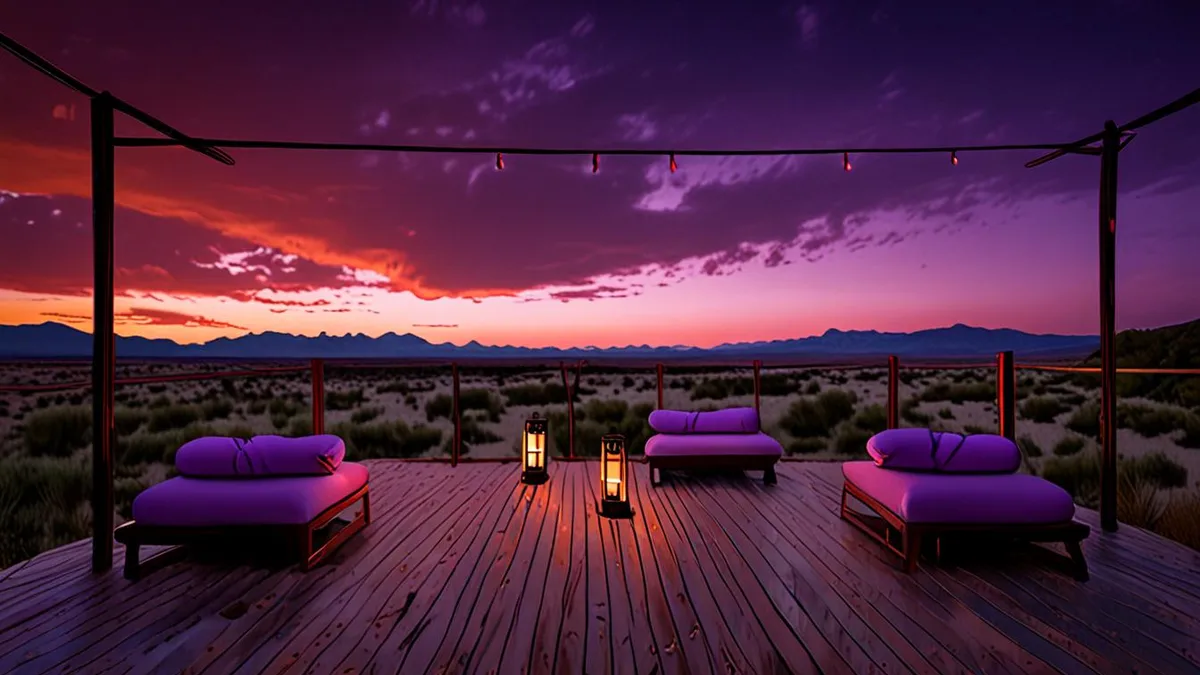
Once you’ve settled on a season, it becomes much easier to judge whether a lodge’s setting is worth its rate. Watching the light change over the river from a spot like a rooftop overlooking the Sabi Sand at Singita Ebony Lodge shows how much the setting itself adds to the experience.
Match the Lodge Location to the Wildlife You Want
Two lodges can charge similar rates and deliver completely different safaris depending on where they sit. Location determines how much time you actually spend with animals, and that matters more than thread count or the cocktail menu.
The key principle: stay inside a national park or a private concession rather than far from the gate. If your lodge is an hour’s drive from the park entrance, you lose that time every morning and every afternoon. Being close to the wildlife means earlier starts, longer game drives and the chance to be first at a sighting.
Private reserves versus public parks
Private reserves and concessions generally allow off-road driving, which means your guide can follow a leopard into the thicket instead of watching from the road. They can also offer night drives, opening up a whole cast of animals you’ll never see in daylight. Public park lodges follow stricter routing and fixed hours, but they often cost less and still deliver superb game viewing.
Desert landscapes show how varied “safari” can be. A camp like Little Kulala in Namibia’s Sossusvlei area offers a very different kind of wildlife and scenery experience than a big-cat concession, and both are valid choices if you know what you’re booking.
Finally, research which flagship species the area is genuinely known for, whether that’s big cats, elephants or rhinos. Don’t assume every lodge offers the same sightings; a fantastic camp in the wrong region for your priorities will leave you disappointed no matter how good the guiding is.
Choose Between Lodge Styles: Tented Camp, Classic Lodge or Private Villa
One of the most personal decisions you’ll make is what kind of “room” you want in the bush. All three main styles can be genuinely luxurious these days, so this comes down to comfort level and atmosphere rather than budget alone.
Luxury tented camps are the classic safari image: canvas walls, a zippered door, and the sound of hippos grunting outside at night. Don’t picture a Scout tent, though. Today’s high-end camps typically offer real beds, proper linens, en-suite bathrooms with hot showers, and often a private deck facing a waterhole. For first-timers who want that authentic “sleeping in Africa” feeling without roughing it, a tented camp is hard to beat.
Classic brick-and-thatch lodges are the safer bet if you’re nervous about wildlife being too close for comfort. You get solid walls, a door that locks with a key rather than a zipper, air conditioning for hot midday hours, and usually a pool to lounge between drives. Families with very young children often find these easier too.
Private villas and exclusive-use camps are worth a look if you’re traveling with a group of six or more. You typically get the entire camp to yourselves, plus a dedicated guide and vehicle, which means your game drives follow your interests and schedule rather than a shared itinerary.
- Tented camps: Many are semi-permanent and follow the seasonal movement of game, so ask whether the camp relocates and how that affects facilities like spa services or Wi-Fi.
- Classic lodges: Larger properties often have extra amenities such as gyms, curio shops and conference spaces, which can be a plus for longer stays or milestone trips.
- Private villas: Exclusive-use options frequently come with a private chef and flexible meal times, ideal for young children or travelers with specific dietary needs.
Scrutinise the Safari Experience Itself
The lodge itself is only half the equation. What you’ll remember years later is what happened on game drives, and that depends heavily on how a lodge runs its safari operation. This is where two similarly priced lodges can deliver wildly different experiences.
Start by asking about vehicle etiquette at sightings. The best operations cap the number of vehicles around an animal encounter, ideally three or fewer, and rotate positions so everyone gets a fair view. A lodge that lets five or six vehicles crowd a leopard sighting turns a magical moment into a traffic jam, both for you and for the animal.
Guides Make or Break Your Drives
Ask about the people behind the wheel. Experienced guides and trackers who know individual lion prides or can read fresh tracks add enormous depth to a drive, and smaller operations that seat six or fewer guests per vehicle mean everyone gets a window seat and easy access to the guide. Also find out what’s on offer beyond the standard dawn and late-afternoon drives: walking safaris and night drives open up a completely different side of the bush, though they’re generally only possible in private reserves.
Finally, get clarity on what’s included. Most lodges offer two game drives daily, but a few budget-oriented properties charge for drives as extras. Before you compare prices side by side, confirm that drives are part of the rate, otherwise an apparent bargain may not be one at all.
Book Smart: Timing, Packages and Red Flags
Once you’ve shortlisted lodges, it’s time to book strategically. Good safaris reward early planners, and the difference between a savvy booking and a rushed one can be thousands of dollars or a missed stay altogether.
For June to October travel at popular lodges, plan to reserve 9-12 months ahead. The best camps sell out their peak season first, often to repeat guests and travel agents who book far in advance. If you’re aiming for the Great Migration river crossings or school-holiday weeks, treat this timeline as firm rather than flexible.
Equally important is comparing rates on equal terms. A lodge quoting a higher all-inclusive rate can easily beat a cheaper competitor once you add game drives, drinks, laundry and daily conservation or park fees. These fees are usually billed separately from the lodge rate, and the amount varies by park and country, so check the current rate with your operator before you commit. Build a simple spreadsheet listing exactly what each rate covers.
Finally, stay alert to warning signs. A deal that looks too good usually is, especially in peak season when demand doesn’t require discounting.
- Heavy discounts at peak season: Deep price cuts in the busiest months can signal a struggling operation, overbooking, or a lodge quietly located outside the prime wildlife area it advertises.
- Vague cancellation terms: If an operator can’t clearly explain deposit schedules, refund windows and payment deadlines in writing, walk away or pay by a method with buyer protection.
- No mention of guiding credentials: Reputable lodges proudly list guide qualifications, tracker teams and training standards; silence on this front often means high staff turnover or minimal investment in the safari experience itself.
Your First Safari Lodge Checklist
So which lodge will actually deliver the safari you imagined? The answer comes from five decisions working together: your budget, the season you travel, the location, the style of camp, and the quality of the game drives. None of these matters in isolation, but get them right and the dozens of confusing options suddenly sort themselves into a shortlist.
Before you book, lock in your dates early, verify exactly what the rate covers, and match the camp style to how close to nature you want to sleep. Do that, and your first safari will feel effortless rather than overwhelming. If this guide helped you narrow things down, leave a comment or share it with a fellow traveler planning their first trip.