Booking an all-inclusive wilderness lodge sounds simple: one rate, everything handled, nature on your doorstep. But many travelers arrive without a clear picture of what that rate actually includes, and that gap leads to surprise bills for extras like alcohol or heli-hiking, plus expectations that don’t match the reality of a remote cabin with no Wi-Fi.
This guide walks you through what to expect before you commit. We’ll break down what a typical rate covers, how dining works in the wild, what the rooms are really like, and how a structured day unfolds. You’ll also find practical advice on pricing and booking windows, getting there by floatplane or long drive, and how to decide whether this style of travel suits you at all.
What an All-Inclusive Wilderness Lodge Rate Actually Covers
The core promise of an all-inclusive wilderness lodge is a bundled rate that covers your accommodation, all meals, snacks, non-alcoholic drinks and a set program of guided activities. In practice, that means you can hike, kayak or join a wildlife outing without reaching for your wallet each time, and eat three meals a day plus trail snacks without thinking about it.
What usually costs extra
The exclusions matter just as much as the inclusions. Alcoholic drinks are included at some lodges and billed separately at others, so this is one of the first things to check before booking. Premium excursions such as heli-hiking, fly-out fishing or a private guide for the day typically carry additional charges, and spa treatments, where offered, are almost always extra.
Two line items catch travelers off guard more than any others: gratuities and transfers. Many lodges add a service charge or suggest a tip amount at checkout, and getting to the property — especially by floatplane or boat — is often billed separately from your stay. Read the inclusions list line by line before you pay your deposit, and email the lodge directly if anything is ambiguous. A ten-minute check can save you hundreds of dollars and a strained conversation at the front desk on departure day.
Meals and Dining in the Wild
Dining at a wilderness lodge is a highlight for most guests, and it works differently from a resort buffet. Expect set-menu dinners with a choice of main, often built around local game, fresh-caught fish and foraged ingredients like wild berries or mushrooms, depending on the region and season. Chefs at these lodges tend to cook what’s available locally, so menus shift with conditions rather than following a fixed card.
Most lodges serve family-style or communal dining, with all guests eating together at set times. This is deliberate: it’s how travelers swap stories about the day’s wildlife sightings and plan tomorrow’s adventures. Some lodges offer private tables on request, which suits honeymooners or travelers who prefer quieter evenings — but ask in advance rather than assuming it’s available.
- Meal times are fixed. Dinner is typically served at a set hour so the kitchen can prepare one menu for everyone; late arrivals may find the dining room closed.
- Wine and beer policies vary widely. Some lodges pour house wine with dinner at no charge, while others run a tab — ask whether alcohol is included before you book.
- Children’s portions and menus are usually available. Families with younger kids can often request simpler dishes, though the lodge may appreciate a heads-up at booking.
- Snacks and thermos refills are part of the deal. Expect baked goods after excursions and packed trail lunches or hot drinks for full-day outings.
Dietary needs are usually accommodated if flagged at booking, ideally 30 or more days ahead. In a remote kitchen with no grocery store nearby, a gluten-free or vegan guest who announces their requirements on arrival is much harder to feed than one who was planned for. Be specific: state allergies, intolerances and preferences clearly, and confirm the lodge acknowledged them in writing.
Rooms, Cabins and What the Accommodation Is Really Like
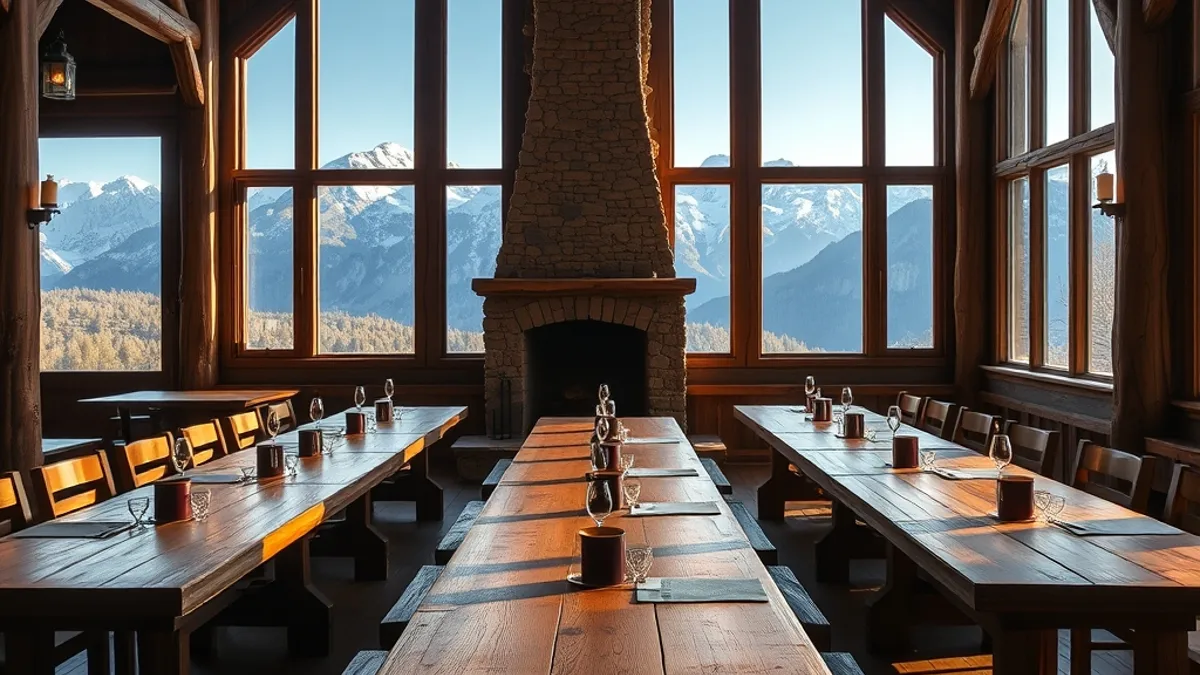
Accommodation at a wilderness lodge spans a wide range. At the simpler end, you might get a shared room in the main lodge with a communal bathroom down the hall. At the other end, private standalone cabins come with wood stoves, their own porches and enough space to spread out. Some properties sit somewhere in between, with private rooms in the main building or duplex cabins. Ask exactly what your rate buys — “cabin” can mean very different things at different lodges.
What to expect from the infrastructure
Remote locations come with real limitations. Many lodges have limited or no Wi-Fi, intermittent power (sometimes generator-based and switched off overnight) and no in-room TVs. Cell service is often patchy or nonexistent. If you need to stay connected for work or family reasons, ask the lodge directly what connectivity exists and where — some properties offer a designated signal spot near the main building.
The trade-off is what you might call simple luxury. Expect quality bedding, hot showers, hearty food and a wood stove crackling at night, but not urban hotel polish. There may be no daily housekeeping, no room service and no elevator.
That said, remote doesn’t have to mean roughing it. The rooftop forest cabins at Octola Private Wilderness in Finland show how refined wilderness lodging can get, even if most lodges sit closer to rustic than opulent.
Guided Activities and Daily Schedule
Days at a wilderness lodge follow a rhythm, and knowing it helps you plan. Nothing is mandatory, but the schedule is structured around daylight, weather and guide availability. Guides watch conditions closely and adjust plans on the fly, so flexibility pays off. Here is how a typical day unfolds at most lodges.
- Breakfast by 8am. Mornings start early because wildlife is most active at dawn and weather windows can shift by midday. Breakfast is usually a hot, hearty meal served in the main lodge before anyone heads out. Coffee is ready well before the official start, so early risers can linger with a mug while the mist burns off the water.
- Morning excursion. This is often the longer, more demanding outing of the day — a guided hike to a viewpoint, a wildlife viewing session or a few hours on the water. Guides match the pace to the group, so you rarely need to be an athlete to join. If you have specific hopes, like spotting a particular animal, mention it the night before.
- Lunch back at the lodge. Expect a substantial midday meal, giving everyone time to rest, dry out gear and swap stories before heading out again. This downtime is also when guides answer questions and talk through the afternoon options.
- Afternoon activity. Afternoons tend to be lighter: kayaking a sheltered bay, trying your hand at fishing or a shorter interpretive walk. Weather can force changes, so guides usually offer alternatives rather than canceling outright.
- Dinner around 7pm. Evenings wind down with a set dinner, followed by optional campfires, stargazing or informal talks from the guides. Many guests find these evening sessions as memorable as the daytime outings.
Keep in mind that most lodges limit guided activities to 1–2 excursions per day, so choose wisely. Sign-up sheets typically go out the night before, and popular options like fishing or kayaking fill fast. If you want a quieter day, skipping an outing is perfectly acceptable — the lodge is yours to enjoy. Reading, soaking in the view or simply napping between meals is part of the appeal, and no guide will make you feel guilty about it.
How Much It Costs and When to Book
All-inclusive wilderness lodge rates typically run $400–$1,200 per person per night, and the spread comes down to three things: how remote the lodge is, when you travel and how large and polished the property is. A small fly-in lodge in peak summer sits at the top of that range, while a drive-access lodge in shoulder season can sit near the bottom. Because everything from meals to guides is bundled in, the nightly number looks steep — but compare it to what you would pay for lodging, restaurant meals and guided day trips separately, and the math often evens out.
Timing matters as much as budget. Most lodges require booking 3–6 months ahead for shoulder season dates, while peak summer weeks generally run June through September and often fill 9–12 months in advance. A few practical points worth knowing before you commit:
- Minimum stays are common. Many lodges require stays of 3–7 nights, especially in high season, so factor the full stay into your total trip cost rather than judging by the nightly rate alone.
- Solo travelers may face a supplement. Rates are usually quoted per person on double occupancy, and single rooms often carry an extra charge — ask when you inquire.
- Deposits are typically required at booking. Policies vary by lodge, so confirm the deposit amount, final payment deadline and cancellation terms before paying.
- Shoulder season can mean different programs. Early and late season dates may offer lower rates but shorter daylight, cooler water for kayaking and a reduced activity lineup — check what operates during your dates.
If your dates are flexible, ask lodges directly about their quietest weeks. You can sometimes get the same experience with more space and personal attention simply by traveling slightly off-peak.
Getting There and Preparing for Remote Travel
Getting to a wilderness lodge is part of the experience, but it takes planning. Many remote lodges are reachable only by floatplane, boat or a drive of 2+ hours from the nearest airport, and some combine all three. Transfers are frequently billed separately from your stay, so confirm the cost, departure point and schedule with the lodge before you book flights. Missing a connection or arriving after the last boat leaves can cost you a full day.
Packing is the other half of the equation. Lodges send gear lists, but they do not always provide the gear itself, so assume you are responsible for your own basics. A few items deserve special attention:
- Layers, not one big jacket. Remote weather swings quickly from cold mornings to warm afternoons, so pack merino or synthetic base layers, an insulating mid-layer and a waterproof shell you can add or shed throughout the day.
- Waterproof boots with ankle support. Trails near lodges are often muddy, wet or rocky, and sneakers rarely dry out overnight in a humid climate. Broken-in boots matter more than fancy gear.
- A headlamp, not just your phone. Power can be intermittent at remote lodges, and paths between cabins are often unlit. A headlamp keeps your hands free for evening walks to dinner or the campfire.
- Dry bags or zip pockets for electronics. If your transfer involves a floatplane or open boat, camera gear and documents can get damp. Simple waterproof pouches solve this cheaply.
Finally, confirm luggage weight limits before you fly. Floatplanes commonly cap passengers at 20–23 kg including bags, and soft-sided duffels are strongly preferred over hard suitcases because they stow more easily. If you are over the limit, ask the lodge about leaving extra bags in town — most operators can arrange storage near the departure point.
Is an All-Inclusive Wilderness Lodge Right for You?
So, is an all-inclusive wilderness lodge right for you? If you want nature access, communal dining and a structured daily rhythm in exchange for urban comforts like TVs and reliable Wi-Fi, the answer is probably yes. One nightly rate bundles your meals, guided activities and remote accommodation into a single price, which makes budgeting simple — as long as you know exactly what that rate covers before you book.
That last point is where most travelers go wrong. Surprise costs usually come from extras like alcohol, spa treatments or premium excursions that were never included in the first place. Read the inclusions list line by line, and book 3–6 months ahead (9–12 for peak summer) to secure the dates and lodge you actually want. Do both, and your stay should match your expectations. Have you stayed at a wilderness lodge, or are you planning your first trip? Share your experience or questions in the comments below.