Ask any skier who has paid a small fortune for a December lodge room, and they’ll tell you the same thing: timing matters. The tricky part is knowing when to book a ski lodge so you dodge peak-season prices without gambling away your chances of a room—or of decent snow. Book too late and you’re left with the leftovers; book too early and you may lock in a rate that drops later.
This guide walks you through the whole picture. We’ll map out the ski season calendar so you know what conditions to expect week by week, explain how far ahead to book for peak holiday weeks, and show why shoulder-season windows offer some of the best value of the year. You’ll also find advice on midweek versus weekend stays, how to catch early-bird packages, and which lodge types suit different booking timelines. By the end, you’ll know exactly when to pull the trigger for your trip.
Understanding the Ski Season Calendar
Most major resorts in the Alps and the Rocky Mountains follow a similar rhythm: lifts typically start turning in late November and keep running until mid-April. That gives you roughly four and a half months of skiing, but the quality of the experience shifts dramatically across those months. The most reliable snow generally falls between January and early March, when cold temperatures preserve the base and storms keep refreshing the slopes.
Early season: quiet slopes and holiday sparkle
Early December is an underrated window. Resorts have usually opened their main groomed runs by then, and the villages are dressed up for the holidays with lights, markets and a genuine festive atmosphere. The tradeoff is that high-altitude terrain may be the only thing open, and some lifts and restaurants still run limited schedules. The upside: you get all of this before the holiday crowds arrive.
Late season: sunshine and softer snow
From late March into April, the mood changes again. Days grow longer, temperatures climb, and lunch on a sunny terrace becomes as much a part of the day as the skiing itself. Expect slushy afternoon snow that firms up nicely in the mornings, so plan your runs early. For skiers who value atmosphere and daylight over powder, late season can be a delight.
When to Book a Ski Lodge for Peak Weeks
Peak weeks are simple to identify and hard to book. Christmas through New Year, mid-February around Presidents’ Week, and early March command the highest rates of the season—and they sell out first. Families are tied to school holidays, demand is predictable, and lodge owners know it. In popular destinations, the best rooms are often gone well before the first snowflakes fall.
Your booking timeline for peak weeks
For peak weeks, plan to reserve 6–12 months in advance. That may feel early, especially while summer is still in full swing, but it’s the standard playbook for holiday skiing. The lead time matters even more if you need a larger lodge or multiple rooms for a group—inventory for those configurations is limited, and once it’s gone, splitting your party across separate properties is the usual fallback. Mark your calendar with a reminder as soon as you know your travel dates, and treat the booking like any other major purchase with a deadline attached.
Priority one: ski-in/ski-out
Ski-in/ski-out locations in marquee resorts are the scarcest commodity of all. There are only so many doors that open onto the slopes, and those lodges sell out earliest. Put them at the top of your first booking round, before you sort out anything else. If the slopeside options are already gone when you start looking, you’re not late for the trip—you’re late for the trip you actually wanted.
Shoulder Season: The Value Sweet Spot
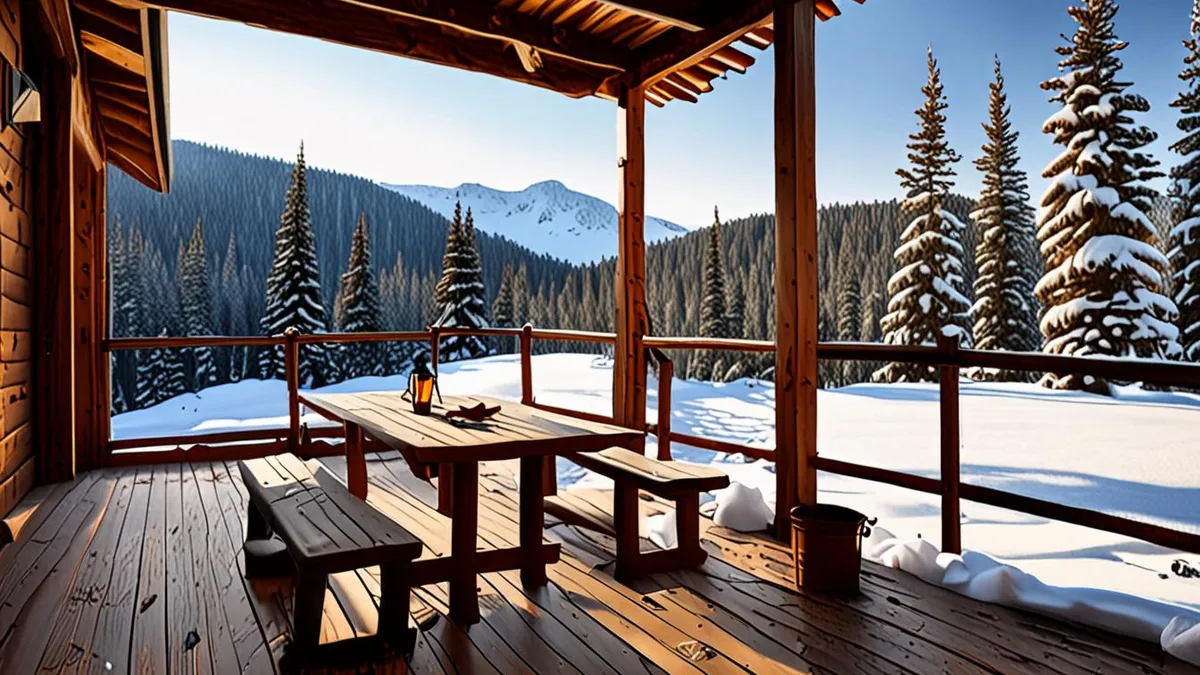
If peak weeks reward early planners, shoulder seasons reward flexible ones. Early December and mid-January, once the New Year rush has cleared, deliver solid snow conditions with rates typically 20–40% below peak pricing. Mid-January in particular is a favorite among seasoned skiers: the snow base is usually at its deepest, yet the slopes feel noticeably emptier than during holiday weeks.
Late-season stays from late March into early April suit a different crowd. Beginners appreciate the gentler, warmer conditions and softer afternoon snow that makes falls more forgiving, and spa-focused travelers care far more about the sauna than the powder quality anyway. If that sounds like you, a luxury ski and spa getaway in late season can be the smarter play.
The other big advantage is lead time. Shoulder windows let you book just 2–4 months out and still find good availability, which is a luxury you’ll never get in February. A few things to keep in mind when planning a shoulder-season stay:
- Check lift opening schedules. Some lifts, restaurants and mountain facilities may run reduced hours or stay closed outside peak season, so confirm what’s operating before you commit.
- Ask about snowmaking coverage. In early December especially, snowmaking on key runs can make the difference between full-area skiing and a limited loop, so it’s worth asking the lodge what’s typically open.
- Look for added-value perks. Shoulder-season guests often find free nights, included breakfast or discounted spa treatments that peak-week travelers rarely see—worth asking about when you inquire.
Midweek vs Weekend Stays
If your travel dates are flexible, shifting your stay from Friday and Saturday nights to Sunday through Thursday is one of the easiest ways to cut your lodge bill. Midweek nights typically run 20–30% cheaper than weekend rates at the same property, and the discount applies to more than just the room. Many lodges price their packages, spa treatments and dining plans lower on weeknights as well, so the savings compound over a multi-night stay.
The on-mountain experience changes just as much as the price. On a Tuesday you can expect shorter lift lines, emptier groomers and a calmer pace at the base area. Restaurant reservations that require booking weeks ahead for a Saturday become same-day decisions midweek. Ski school instructors often have more open slots, and parking near the lifts is far less stressful. If you are traveling with children or beginners, that breathing room makes a noticeable difference.
The Sunday-to-Friday trick
One pattern works especially well: arrive Sunday afternoon and leave Friday morning. That Sunday-to-Friday stay captures five nights at weekday pricing, since you skip the two most expensive nights of the week entirely. You still get a full work-week’s worth of skiing, and you avoid the Saturday changeover crowds that clog mountain roads and check-in desks. For many travelers, this single adjustment turns a lodge that felt over budget into an affordable trip.
Deals, Packages and Early-Bird Offers
The best ski lodge prices rarely appear by accident. Most properties and tour operators map out their winter pricing in late summer, and the first round of deals follows soon after. Lodge packages and season-pass bundles are usually released in September–October, which makes early autumn the moment to start comparing offers rather than waiting for snow to fall. Booking during this window locks in your dates before inventory shrinks and gives you first pick of room types.
Early-bird deals are rarely just a discounted room rate. They often bundle extras that would otherwise cost you separately on site, which is where the real value hides. When you compare offers, look past the headline price and add up what each package actually includes.
- Lift ticket bundles: some lodges include a set number of lift passes per night of your stay, which can offset a large share of your total mountain costs.
- Breakfast and dining credits: a included morning meal or a resort credit for dinner removes one of the priciest line items from a ski trip budget.
- Spa and wellness credits: properties with pools, saunas and treatment rooms often throw in credits that make an afternoon off the slopes feel like part of the deal rather than an extra expense.
- Season-pass holder rates: if you already hold a pass, some lodges offer additional room discounts on top of published rates, so always ask when booking.
Last-minute discounts do exist, but treat them as a bonus rather than a plan. Low-demand weeks, such as quiet stretches in mid-January, sometimes see lodges slash rates to fill empty rooms a few days out. Holiday dates are the opposite: Christmas–New Year and Presidents’ Week almost never drop in price at the last minute, and waiting usually means worse rooms or no availability at all.
Choosing the Right Lodge Type for Your Timing
Not all lodges follow the same booking rhythm, and matching your lead time to the property type matters as much as matching it to your dates. A small independent chalet and a large resort hotel behave very differently when it comes to availability and pricing, so it pays to know which one you are dealing with before you start emailing owners.
Small chalets and cabins
Independent chalets and cabins have limited inventory, often just a handful of rooms or a single self-catered property, so they fill early for holidays. If you want a cozy cabin over Christmas–New Year, contact owners as far ahead as you can, within the same generous window you would use for any peak-week stay. The flip side is that these same properties discount heavily in shoulder weeks. In early December or mid-January, an owner with empty rooms may offer a far better rate than any large hotel would publish, and small owners tend to have more flexibility on price than a resort’s central reservations desk ever will.
Large resort lodges and remote wilderness properties
Large resort lodges with spas, restaurants and ski schools are the natural choice for families booking peak weeks far in advance. Their size means more room categories, kids’ programs and on-site logistics all handled under one roof, which is exactly what you want when traveling with children during the busiest weeks of the season. Reserve early to secure connecting rooms or family suites, since those configurations disappear first.
Remote wilderness lodges operate on their own timetable. With only a limited number of rooms and transfer logistics to arrange, such as guided transfers, scheduled shuttles or even chartered connections, they need earlier lead times than almost any other option. Properties deep in the forest or far from resort villages often require guests to coordinate arrival windows, meals and activities well ahead. A stay at a property like the private wilderness retreat with rooftop forest cabins in Finland shows why: exclusivity and seclusion are the point, and both demand planning. If a remote lodge is on your list, start the conversation months earlier than you would for a standard resort stay, and confirm exactly how you will get there before you commit.
The Takeaway on Timing
So, when should you book a ski lodge? The answer depends on when you plan to travel. For peak weeks like Christmas–New Year, mid-February and early March, give yourself 6–12 months of lead time, especially if you want ski-in/ski-out rooms or space for a group. If your dates are flexible, shoulder seasons such as early December, mid-January and late March–early April reward you with rates 20–40% below peak, and availability in those windows usually stays open much closer to your travel dates.
Wherever you land on the calendar, midweek stays are the easiest win: Sunday–Thursday nights typically cost 20–30% less and come with shorter lift lines. The bottom line is simple: matching your booking window to your travel dates is the single biggest lever on price. If this helped you plan your trip, leave a comment or share the article with your ski crew.