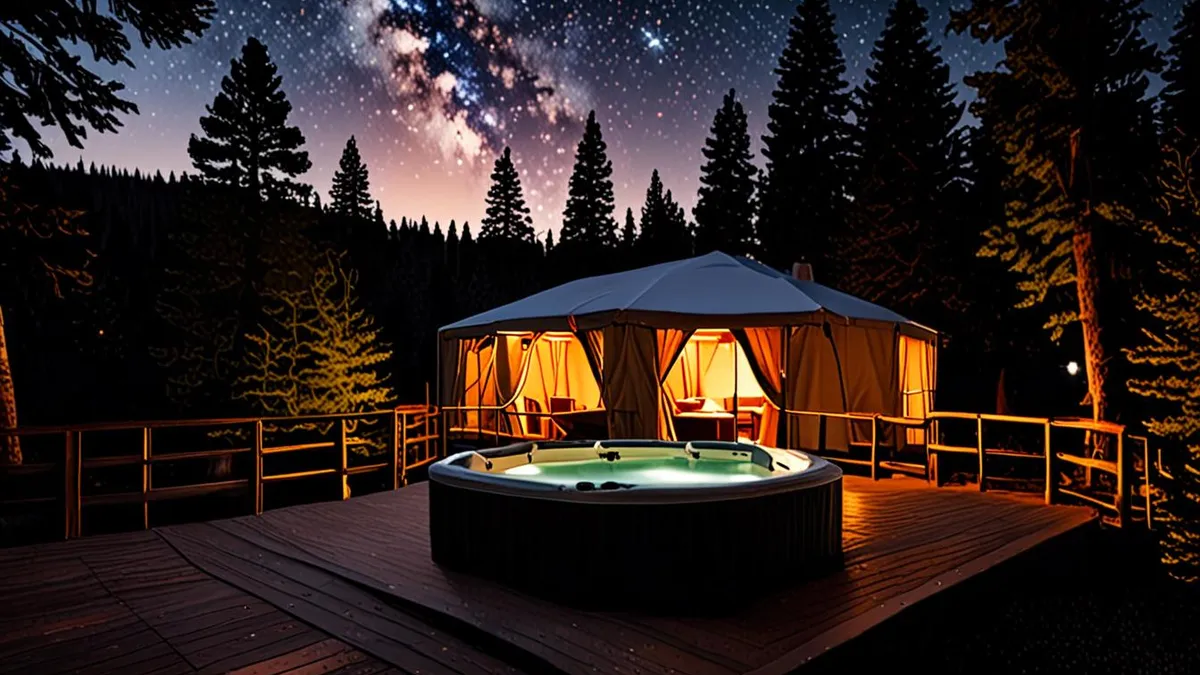
Glamping photos look dreamy online: a canvas tent glowing at sunset, a wood-fired hot tub steaming under the stars. But behind those images, sites vary enormously, and choosing the wrong one can turn a luxury escape into an uncomfortable, overpriced disappointment. A “tent” might mean a basic shelter with a shared bathroom down a muddy path, or a heated dome with a private en-suite and breakfast delivered to your deck.
This practical checklist walks you through how to choose a glamping site with confidence. We cover defining your style and comfort level, picking the right location and season, setting a realistic budget, inspecting amenities and weather protection, vetting the operator before you pay, and timing your booking for the best site and rate. Work through each step and you will know exactly what you are paying for before you arrive.
Define Your Glamping Style and Comfort Level
Glamping is an umbrella term that hides some very different experiences. A safari tent usually means a large canvas structure on a platform, often with a proper bed and a deck. Geodesic domes feel modern and enclosed, with panoramic windows that make them popular for stargazing. Yurts have a round, cozy layout that works well in cooler climates. Treehouses and A-frame cabins sit closer to the cabin end of the spectrum, with solid walls and more conventional insulation.
Decide your comfort floor
Before browsing listings, decide which features you cannot compromise on. A real bed and quality linen are common at most established sites, but private bathrooms, electricity and Wi-Fi are not standard everywhere. Some eco-focused operations deliberately run off-grid with composting toilets and shared wash blocks, which some travelers love and others find miserable after one cold night. Write down your minimum: for many people it is a private bathroom and heating; for others it is simply a dry, warm bed.
Then match the style to the trip. A single dome with a clear roof suits a stargazing couple who want atmosphere and privacy. Families and groups of friends usually do better at a multi-tent site, where you can book neighboring units, share a fire pit and let kids roam a bit. Solo travelers and couples often prefer smaller grounds with fewer units and a quieter feel.
Pick the Right Location and Season
Location is where many glamping bookings go wrong. A site can look remote and romantic, yet sit three hours from the national park entrance you actually came to visit. Aim for a site within a 1-2 hours’ drive of the major attractions, trailheads or towns on your itinerary. Check the actual driving route, not the straight-line distance, since mountain roads can be slow and winding.
Season matters just as much. In most temperate regions, the peak glamping season runs May to September, when weather is most reliable and all facilities are typically open. If your dates are flexible, shoulder season in April-May or September-October can bring quieter grounds and rates roughly 20-40% lower. The trade-off is cooler nights and a higher chance of rain, so check what the site offers in wet weather before committing.
- Valley sites sit low where cold air and morning fog collect, so expect damp ground and chilly dawns, especially outside high summer.
- Ridge or hilltop sites trade views for exposure, which usually means stronger wind, flapping canvas and a less stable night’s sleep in bad weather.
- Waterfront sites add atmosphere but can bring more insects in summer and heavier morning condensation on canvas walls.
- Forest sites offer shade and shelter but may mean limited sunlight for solar showers or charging, and more fallen leaves around your tent after storms.
When comparing listings, look at satellite view rather than photos. Terrain, tree cover and how the site faces the sky tell you more about the experience than any marketing image.
Set a Realistic Budget
Glamping prices vary more than most travelers expect. As a rough guide, expect around $100-150 per night for basic glamping tents, while luxury domes and lodges can run $400-800+ per night. That range reflects real differences in what you get: insulation, private bathrooms, kitchenettes, views and service. When a listing seems expensive, compare what is actually included rather than judging by the tent photo alone.
Count the add-ons
The nightly rate is rarely the whole cost. Add-ons such as catered meals, hot tub sessions, guided activities and airport or trailhead transfers can add $50-150 per night to your total. Some of these are worth it, especially in remote locations where there are no restaurants nearby. Others are easy to skip if a town with food options sits within a short drive. Decide in advance which extras matter to you and price them into your trip budget from the start.
Watch minimum-stay rules
Many sites require 2-3 nights on weekends, which raises the total cost of a short trip considerably. A $200-per-night tent with a two-night minimum is a $400 commitment before any extras. If you only want a one-night escape, look for sites that allow single nights midweek, or plan your stay so the minimum works in your favor. Always check the minimum-stay policy on the listing before you fall in love with a site, since it is one of the most commonly missed details in glamping bookings.
Inspect Amenities, Weather Protection and Facilities
The photo on the booking page might show a glowing tent in golden light, but the real test of a glamping site is how it performs at 2 a.m. in a downpour. Amenities are where the difference between genuine comfort and camping with a nicer label becomes obvious, so dig into the details before you pay.
Start with temperature control. A stylish tent with a king bed means little if the nights drop cold and the only heat source is an extra blanket. If you are traveling when temperatures can fall below 10°C or climb above 30°C, confirm in writing that the unit has real heating or cooling, such as a wood stove, heater or air conditioning, and ask how early or late in the season it is available.
Bathrooms deserve equal scrutiny. Some sites offer en-suite bathrooms inside every unit, while others rely on shared blocks that can be a five-minute walk down a gravel path. Neither option is wrong, but you should know which one you are booking, especially if you plan to get up at night or travel with kids.
Finally, read recent reviews with a specific mission. Skip the generic five-star praise and search for mentions of practical problems. Look for patterns rather than one-off complaints.
- Leaks and damp: canvas and dome seams can fail in heavy rain, so search reviews for words like “leak”, “wet” or “condensation” from the last season.
- Insects and wildlife: mesh screens, zipped doors and sealed floors matter more in wooded or waterside locations; note whether reviewers mention mosquitoes, ants or mice.
- Noise: thin tent walls carry sound from nearby roads, generators and neighboring groups, so check whether guests describe the site as peaceful or rowdy.
- Cleanliness: look for comments on housekeeping between stays, shared bathroom upkeep and whether linens and towels arrive fresh.
- Covered outdoor space: a veranda, canopy or deck keeps your trip usable when rain rolls in, and it is worth confirming it exists for your specific unit.
- Lighting, water and food: reliable lighting after dark, potable water on site and a restaurant, kitchen access or food options within a short drive make evenings far easier.
Vet the Operator Before You Commit
A beautiful tent with a careless operator is a bad booking. Glamping sites are often small, family-run or newly opened businesses, and the quality of your stay depends heavily on how they are run. A few pointed questions before you commit will tell you most of what you need to know.
Staffing and support on site
Ask directly whether a host or manager lives on site or is reachable around the clock. If a storm flattens your canopy at midnight, the heating fails or a zipper breaks, you want a person who can fix it, not an unanswered phone number. Sites with an on-site host also tend to handle small issues, like a burned-out lantern or a cold water heater, far faster. If the operator hesitates on this question, treat it as a signal.
Get the cancellation and rain-check policy in writing before you pay any deposit. Weather is exactly the thing you cannot control on a glamping trip, and policies vary widely: some operators offer a credit toward a future stay, others refund only severe cases, and some hold firm on non-refundable rates. A policy that sounds generous over the phone but is not in the confirmation email is worth very little.
Atmosphere and access
Think about who else will be staying there. If you are booking for a romantic escape, ask about typical guests, group bookings and quiet hours. A site that regularly hosts bachelor parties or family reunions can feel very different from the serene retreat in the photos. Reviews and the operator’s own social media often reveal the real vibe.
Access details matter more than most travelers expect. Confirm whether the final stretch of road is unpaved and whether a low-clearance car will cope, how far the parking area is from your unit, and whether the site helps carry luggage to the tent. Some sites are a short stroll from the lot; others involve a ten-minute hike with your bags. Knowing this in advance lets you pack sensibly and set realistic expectations for arrival day.
Time Your Booking for the Best Site and Rate
Glamping inventory is small by nature. A site might have five or six units total, and the most desirable ones, like a stargazing dome with the best view, are often a single option. That scarcity means timing your booking matters as much as choosing the site itself.
For popular summer weekend dates at well-reviewed sites, aim to book 3-6 months ahead. Waiting until a few weeks out usually leaves you with the least appealing units, the least convenient dates or nothing at all. If your dates are flexible, shifting to weekdays opens up availability and often better rates, but do not count on last-minute deals at small properties.
Holiday periods and single-unit properties need an even longer runway. A treehouse with only one bookable unit, for example, can sell out its prime dates many months in advance. For a stay like a treetop retreat in Okinawa, reserving 6-12 months ahead is the realistic way to secure the dates you want rather than settling for leftovers.
Once you have found your site, compare how you book it. Platforms are convenient and make comparison easy, but booking directly with the operator sometimes brings perks such as breakfast, an activity credit or a flexible check-in, and it puts you in direct contact with the people who will actually host you. Check both routes before you commit.
- Set a calendar reminder: note the date when your booking window opens, roughly 3-6 months before a summer weekend trip, and book that day rather than that month.
- Ask about waitlists: small operators often keep informal waitlists for cancellations, which can rescue a fully booked single-unit property.
- Read the rate fine print: compare whether platform prices add service fees at checkout that direct booking avoids, and whether the direct rate includes meals or transfers.
- Confirm minimum stays: weekend minimum-stay rules are common at small sites and affect both availability and your total trip cost, so check them before you build an itinerary around a one-night stay.
Your Glamping Site Checklist, Wrapped Up
Glamping photos look dreamy online, but the reality depends entirely on the site you pick. The good news is that choosing well is not complicated. It comes down to six things: your style and comfort level, location and season, budget, amenities, trust in the operator, and booking timing. Work through each step in order and the trade-offs become clear before you pay a deposit, not after you arrive to a leaky tent.
One final tip: book early and vet the operator properly. Popular sites fill their summer weekends months in advance, and a site booked early and vetted carefully is the difference between a dreamy escape and an expensive compromise. If this checklist helped you plan your trip, leave a comment with your own glamping tips or share this article with a friend who needs it.